This article was written and submitted by Noam Hazan, licensed architect and principal of Noam Hazan Design Studio, a Toronto based architecture & Interior design studio specializing in new single-family homes and missing middle housing.
Toronto is sleepwalking into a housing solution and most people do not even see it.
While headlines fixate on condo weakness and stalled launches, a different kind of real estate boom is already underway in Toronto neighbourhoods. It is not driven by Bay Street developers or glossy sales centres. It is driven by regular Torontonians. Homeowners. Realtors. Professionals with day jobs. First time “citizen developers” who are building gentle density on ordinary streets. And it is happening right now.
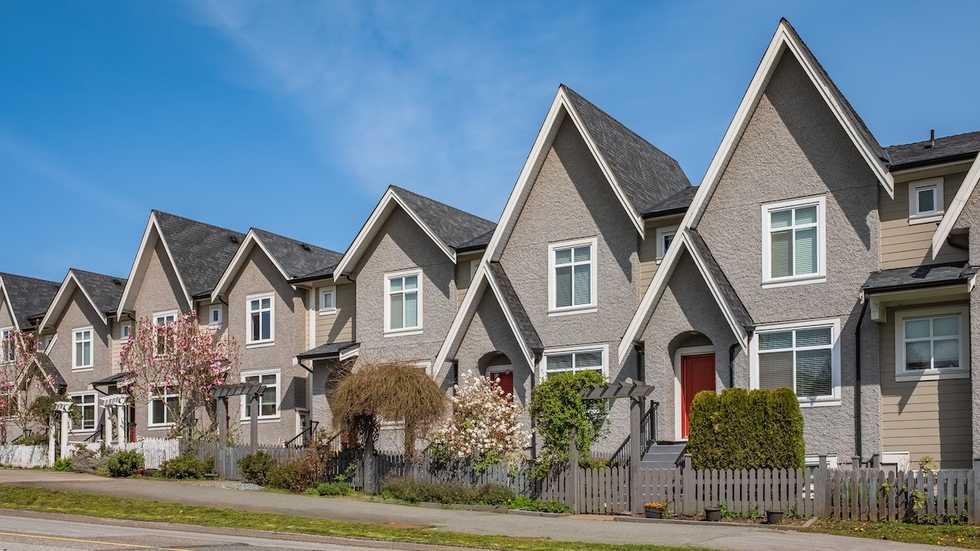
My view is simple. The missing middle is the most alive part of Toronto real estate today, and it is quietly building the kind of housing the city actually needs.
I am a licensed architect in Toronto and run a boutique practice focused on missing middle housing. Since the city expanded permissions for multiplexes and garden suites, our work has surged. Many architects are complaining the market is slow. In our niche, it is the opposite. The phone rings because this is one of the few lanes where projects still move.
The policy change was not complicated, but its impact has been dramatic. In May 2023, Toronto approved citywide permissions for multiplex housing, allowing duplexes, triplexes and fourplexes across residential neighbourhoods. Garden suites have also taken off. In June 2025, Council went further by allowing sixplex permissions in nine wards.
Those are planning decisions. But the results show up in permits and construction sites.
City data shows this is already happening at scale. In the first 18 months after the May 2023 change, Toronto issued 452 multiplex building permits. Garden suites are moving just as quickly: by May 8, 2025, the City reported 812 applications received and 480 permits issued. That’s not a fringe experiment, it’s an active pipeline. The practical effect is that any single home lot may now be able to support a fourplex plus a garden suite, and in certain wards, up to a sixplex, provided the site is zoned ‘Residential’.
Here is the part most people misunderstand. This boom is not being driven by “developers” in the traditional sense, but rather what is now being call the ‘citizen developer’.
One of our clients is a young family building a multiplex and planning to live in one unit. They are not flipping. They are building a future and creating housing at the same time.
Another is made up of three Toronto executives who left high paid corporate jobs to start a small development firm focused on small purpose-built multiplex rentals. Their model is repeatable projects which are scaled to conform to the new multiplex bylaws.
Another is a logistics entrepreneur who sold his company and decided to develop properties he already owned. Another is a realtor who watched clients do these projects, saw the opportunity, and decided to do it himself.
I did too. I am currently developing my own fourplex and garden suite because I wanted to test the model personally, and because I believe that it’s the only real estate investment in Toronto that actually makes sense right now.
This is what a housing movement looks like when it is led by citizens. It is messy, it is local, it is practical, and it is growing!
It also has a community behind it that feels almost like a subculture. I am in a WhatsApp group with 373 members. Architects, builders, lenders, planners, realtors and aspiring developers who trade notes daily. They share lessons, swap contractor recommendations and compare costs. They help each other avoid expensive mistakes.
Just with a simple search on Eventbrite, you will also find a range of ‘Missing Middle conferences’ that draw relatively large crowds, often in the hundreds.
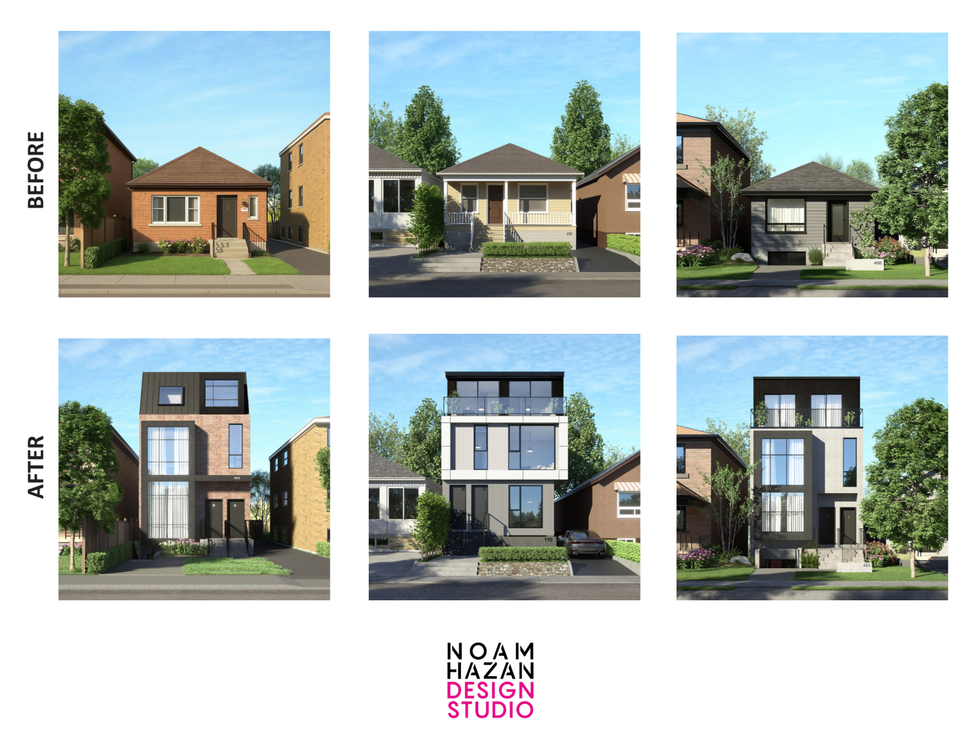 Noam Hazan Design Studio
There is also a solid financial reason this continues even in a down market. Many of these projects are rentals, and rentals are underwritten differently than condos. Once you reach five or more units (for example a fourplex and Garden suite), you can tap insured multi unit financing pathways, including CMHC’s MLI Select program. MLI Select can reward qualifying projects with lower insurance premiums and longer amortization periods. That matters when interest rates and construction costs have squeezed feasibility.
Then there is the tax piece, which changes the equation for purpose built rentals. The federal government introduced a 100% rebate of the GST or the federal portion of the HST for eligible new purpose built rental housing, and CRA guidance indicates that Ontario’s provincial rebate can also be 100% for qualifying projects. In plain language, for projects that qualify, the HST hit can be largely recovered. That is not a rounding error. That is real money.
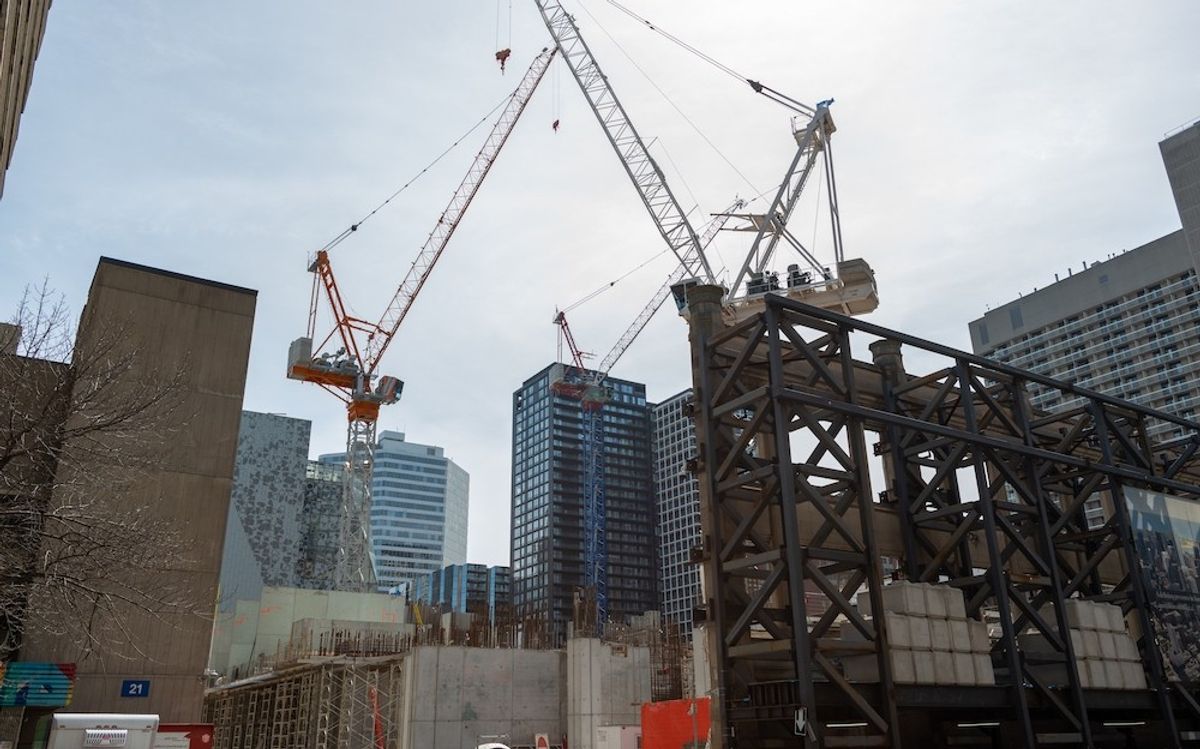
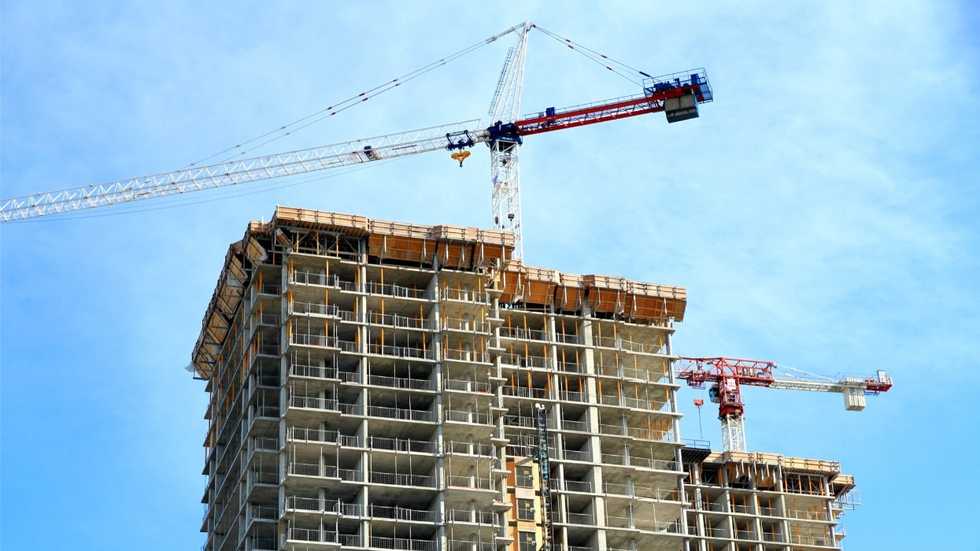
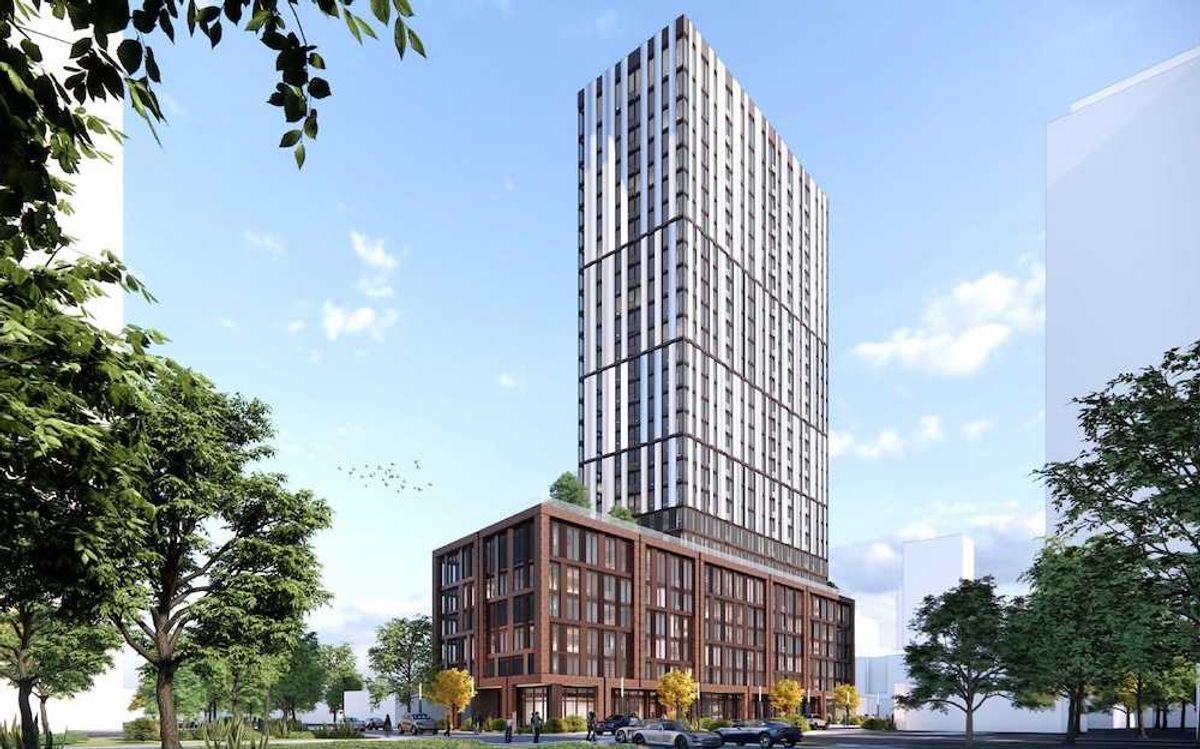
Toronto does not have a housing supply problem only because we do not build enough. Toronto has a housing supply problem because we tell ourselves the only way to build is through mega projects. Towers or nothing, and that thinking is wrong. It leaves housing production in the hands of a few large players. When they slow down, the entire city slows down.
The missing middle is proof there is another way. Thousands of small decisions, hundreds of projects, and lots of people building five, six, seven homes where there used to be one. Not everywhere. Not overnight. But steadily.
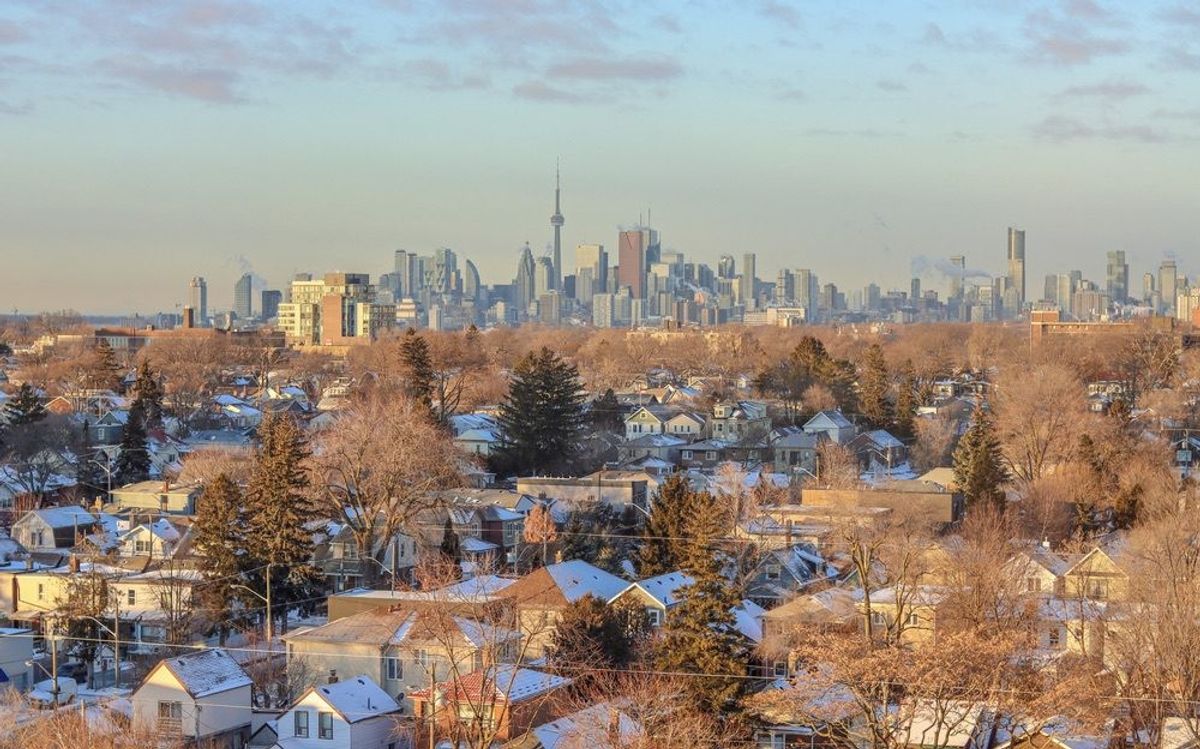
If you want to understand where Toronto housing is actually being built right now, stop staring at the skyline. Start looking at the side streets. The boom is already here. Most people just have not noticed.