Anyone who’s spent time browsing condo listings in the Greater Toronto Area (GTA) will tell you: there is currently no shortage of options. Not only that, prices have dropped to the point that they make home ownership more of a tempting reality than it once was.
Six months ago, we questioned whether it was a good time to purchase a condo in the GTA, and asked the region’s experts to weigh in. The verdict then? It could be a good time for first-time homebuyers and end-users, thanks to record-high inventory and stagnant prices. Meanwhile, however, real estate investors struggled with negative cash-flow and a near absence of sales, leaving many wanting to sell.
With that said, the GTA’s buyers were stubbornly stuck in on the sidelines as the summer came to a close. So, how about today, half a year later? Is now a good time to bite the bullet and buy?
The Condo Market Reset
While the condo market has been described as being in a crisis state, home prices and sales are down for all housing types. According to the Toronto Regional Real Estate Board (TRREB), the average selling price dropped 6.5% in January 2025 from a year earlier, falling below the $1 million mark for the first time in four years – a buzz-worthy figure that makes for a good conversation starter.
After breaking price records during the pandemic – when the average GTA condo price reached a high of $799,966 in February 2022 (and the overnight rate was a mere 0.25%) – condo prices have declined in recent years.
The average selling price of a GTA condo was $652,945 in Q4 of 2025, down 5.1% from $687,874 in Q4 2024, according to TRREB’s latest Condo Market Report. In the City of Toronto, that figure was $690,607, down from $715,920 in 2024. Furthermore, GTA condominium apartment sales were 15% lower in the fourth quarter of 2025 compared to Q4 2024.
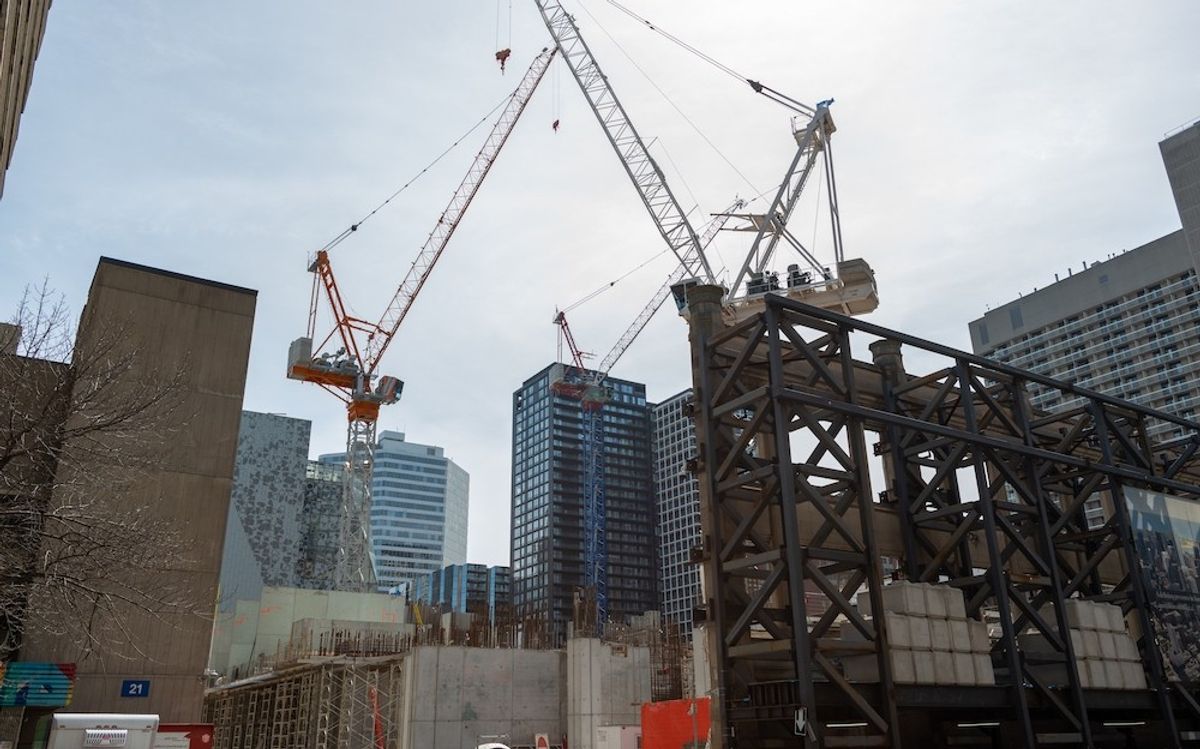
One the new condo front, according to Urbanation, the GTA’s new condo sales dropped significantly in 2025, with activity levels plunging to a 34-year low not seen since 1991. Investors (and their much-needed dollars) have virtually disappeared from the pre-construction equation. As a result, new home construction has come to a virtual halt in the GTA. Meanwhile, a notable rise in brand-new condo completions continues to result in more supply on the market.
With high supply of inventory, lower prices, slower sales, and heightened negotiating power, there’s no denying that the GTA remains in the thick of a buyers market – one that will likely continue as the warmer weather (finally) rolls in. And it appears the region’s sellers are coming to terms with that.
“The past six months have shown us a general acceptance of what today's pricing looks like,” says realtor Sara Camber, who specializes in the Toronto condo market at Camber Group alongside realtor Michael Camber. “Meaning, a year ago condo sellers were still fighting against pricing their properties at a number that was actually going to sell it," she says. "While there are still some condo sellers who are trying for 2024 pricing, many have accepted that today's buyers simply won't put an offer on a condo that doesn't reflect where prices are today.”
Toronto-based mortgage professional Mitch Mannella says the biggest shift he’s seen on the condo market in the past six months has been psychological. “Buyers are no longer frozen by fear, but they’re still cautious and selective,” he says. Like Camber, Mannella highlights that sellers are adjusting to the reality that 2021-level pricing isn’t coming back any time soon.
Despite the current market conditions, however, potential condo buyers aren’t biting. And we only have to look as far as the — ahem — uncertain geopolitical climate to understand why.
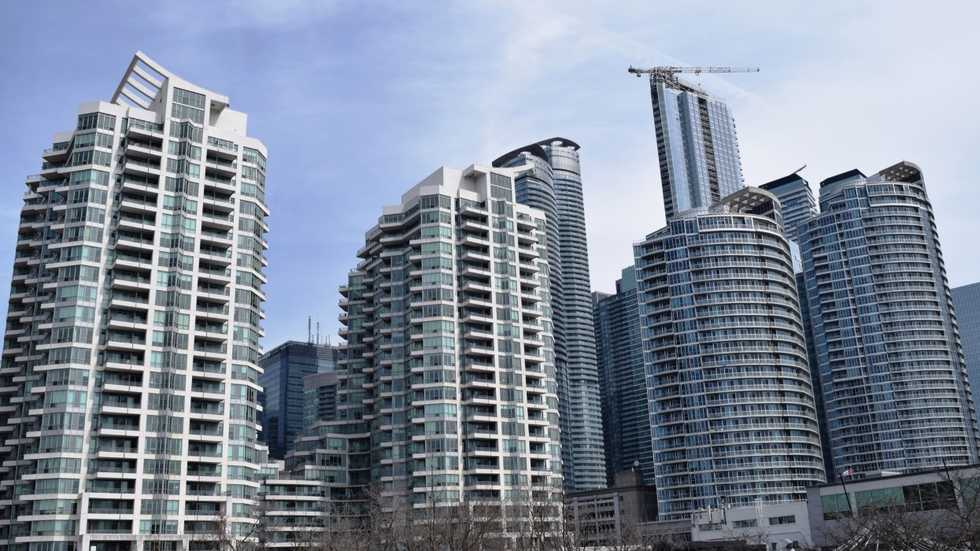
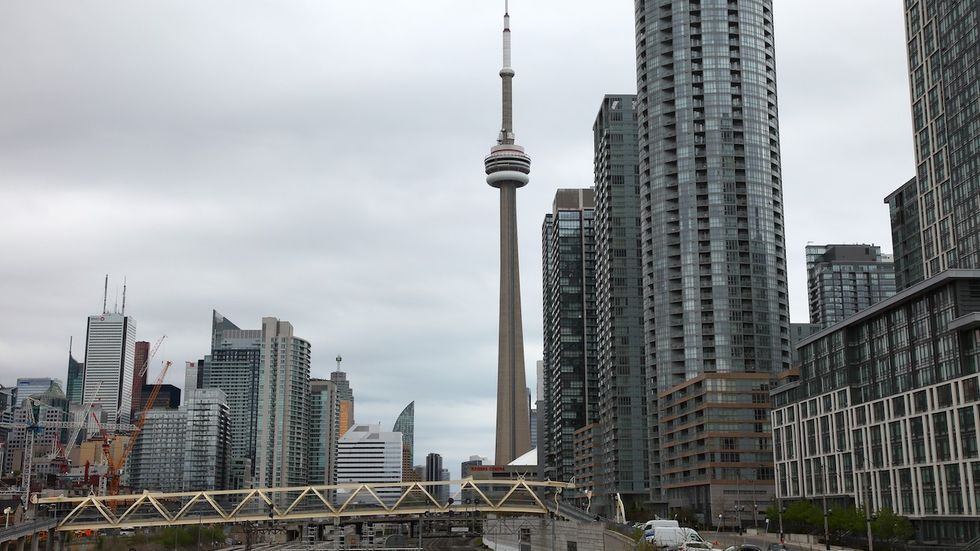 Toronto condos
Uncertain Times (At Any Rate)
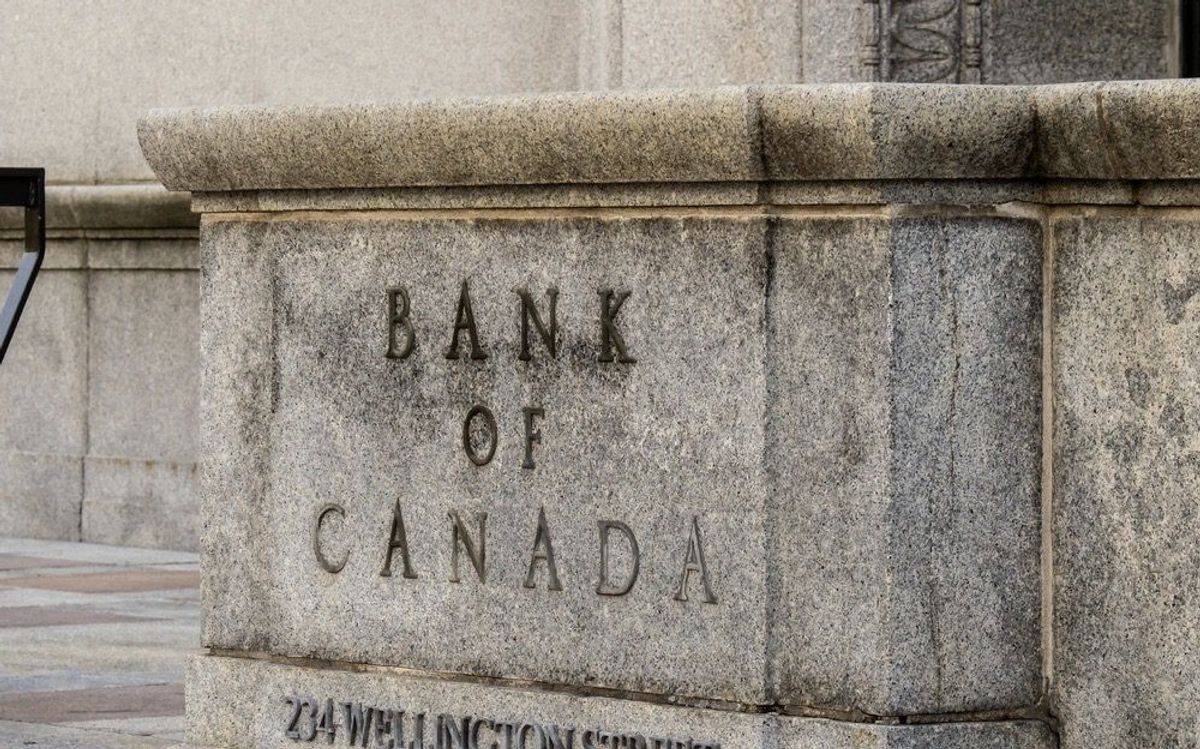
On the economic front, the past six months have seen a shift from an active period of interest rate cuts, to one of stabilization and holding. While the overnight borrowing rate was 2.75% in August 2025, the Bank of Canada (BoC) cut it to 2.50% in September, and by another 25 basis points to 2.25% in October – where it has remained since. Canada’s central bank has indicated that we are currently in a “wait and see” phase. Some economists, however, are warning of potential hikes as of late.
While the rate has finally dropped from highs of 5% (where it stayed from July 2023 to June 2024), 2.25% remains relatively elevated, especially for investors who purchased in the glory days of rock-bottom pandemic-times rates and now face renewal. From the financing side, Manella says that renewals are forcing a very real re-evaluation.
“Many investors have seen rates jump from the low-1% range to high 3%'s or low 4%'s, which can materially change the cash-flow equation,” says Mannella. “Some investors are choosing to absorb the negative cash flow, but others are deciding that the risk-adjusted return no longer makes sense and are listing as a strategic exit, rather than an emotional one. That dynamic is certainly contributing to increased condo inventory.”
At any rate (no pun intended), we can’t pretend that the political and economic climate doesn’t remain as chaotic and uncertain as ever. For many, this is the type of uncertainty that affects major life decisions and purchases – like buying a condo.
“There’s a lot of economic uncertainty that could prevent first-time buyers from purchasing,” says Jason Mercer, TRREB’s Chief Information Officer. “Every day, we’re talking about a new dispute that could impact the Canadian economy. I think households need to see more certainty in the economy and how it trickles down to their individual job prospects.”
The New Rental Reality
Alongside the drop in home prices, rents are down in the GTA, something that comes as a relief to tenants after the past few years of sky-high prices. According to Rentals.ca and Urbanation, Toronto rents in December hit lows not seen since early 2022. The city’s average rent has declined by 11.8% in the past two years, dropping to $2,503/month as of December 2025.
According to TRREB’s latest figures, GTA condominium rental transactions and listings continued to grow on a year-over-year basis in the last quarter of 2025. Despite the region’s rental transactions outpacing growth, however, average rents were down across market segments compared to the fourth quarter of 2024. This means that investors may not be generating enough rental income to break even on their rental property.
Not only that, low rents may keep would-be first-time buyers in the rental market for longer. Despite lower home prices, Ipsos polling for TRREB revealed renters are still seeing a gap (of $600, to be exact) between an affordable mortgage payment and the mortgage associated with the type of home they would like to purchase. This has contributed to sustained rental demand and slower recovery in the home ownership market.
“There are many renters today that are paying a lot less rent than they would have, say, a year or two ago,” says Mercer. “So, there’s less impetus to say, ‘My rent is very high, I may as well entertain the purchase of a condominium apartment.’”
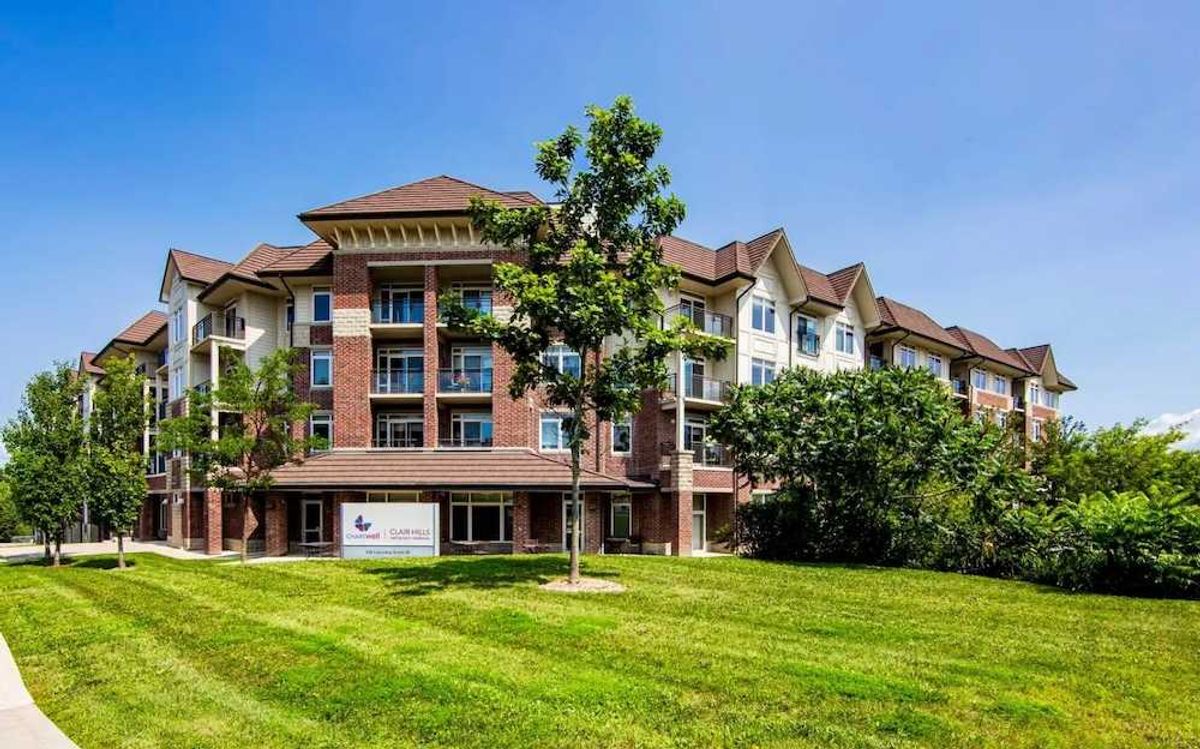
Renting is made more attractive thanks to the recent return of incentives (like free Internet, parking, and gift cards) and – more notably – Toronto’s arrival of shiny new, amenity-packed purpose-built rental buildings. These units add a degree of stability, knowing you’re not dealing with a landlord who could surprisingly choose to sell. With more developers setting their sights on the purpose-built rental route, GTA’s renters’ options grow with each completed — primely located — new build.
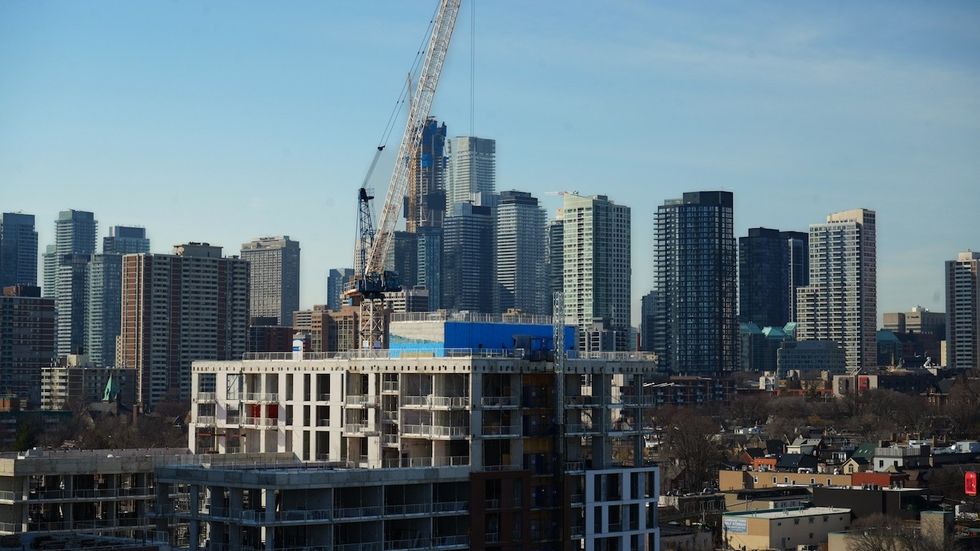 Toronto purpose-built/Shutterstock
Livable Homes Over Balance Sheets
According to Urbanation President Shaun Hildebrand, the recent shift in the condo market is less about a surge in homeownership and more about a vacuum left by investors.
"We noted a shift in the distribution of new condo sales towards end-users in 2025,” says Hildebrand. “This was due to developers having more move-in ready product as completed and unsold inventory began to pile up. But, at an average $1,194 psf, prices for developer-held completed units were still at a significant premium over resale units in recently completed buildings averaging $856 psf, which resulted in limited sales activity.”
Hildebrand notes that the region saw some pre-construction sales to end-users at higher-end boutique projects, but that these accounted for a small portion of the market. “The shift in sales to end-users had more to do with a lack of demand from investors,” says Hildebrand. “Condo buyers are still on the sidelines, worried about the state of the economy and the amount of inventory in the market, and are waiting for prices to decline further.”
While investors may be looking to sell, the buyer’s market is now for those looking for a condo as a primary residence. So, this means a shift away from investor-shoebox units of the 2010 era and a focus on livability (i.e. space and functionality) for end-users.
“What we are seeing is well-priced larger units in good buildings sell in a relatively short period of time,” says Michael Camber. “Larger two beds were the winners for 2025's condo market and we suspect that this will continue to be the case in 2026.”
While livability may be front and centre in condo sales, that doesn’t mean a disregard of cash generation. If you hold on to it for long enough, your condo could eventually (key word) increase in value. The countless condo cancellations of 2024 and 2025 mean very few new condo towers will materialize in the coming years, creating a supply gap that’s expected to push prices back up in the later part of the decade.
“As the development pipeline slows dramatically due to cancelled projects and financing constraints, supply is likely to tighten in the late-2020s, which historically leads to price appreciation,” says Darrell Booker, a sales representative at Royal LePage Signature Realty. “For anyone purchasing a quality unit at today’s discounted pricing and holding through the next tightening cycle, it’s reasonable to expect positive equity growth over a 5- to 10-year horizon.”
So, it could make sense for those in it for the long run to act. “We’re still in a correction phase driven by high rates, elevated supply, and weak investor demand, so short-term appreciation may be limited,” says Booker. “However, Toronto’s long-term fundamentals – population growth, immigration, constrained land supply, and infrastructure investment – remain very strong.”
The Buyer’s Upper Hand
For the potential condo buyer, the GTA’s current market allures with some of the best opportunities seen in years. This is especially true if you don’t have to sell your current condo to purchase another.
“We’re seeing price discounts of 5-15% from recent peaks, particularly in the investor-heavy downtown product,” says Booker. “We’re also seeing assignment and investor distress, where buyers who are locked in pre-construction at peak prices are closing into a softer resale market and may need to sell at a loss. Buyers can benefit from negotiation leverage, including seller concessions, flexible closing terms, and longer conditional periods.”
This past fall, the GTA saw a shocking spike in properties that were taken over by lenders – 472 in September 2025, up from five in September 2020. Price aside, buyers currently have plentiful options throughout the GTA, including the Toronto core – from Corktown to Liberty Village.
“The oversupply pipeline from record completions has created choice and bargaining power, which historically is rare in Toronto’s condo market,” says Booker. “We are seeing opportunities in pricing that are on par with pricing from 2019.”
The Road to Rebound
While some have dipped their toes in the market, countless would-be buyers still remain weary. With rising inventory, it’s difficult to convince some that we have bottomed out, as they anxiously wait for prices to drop further. According to TRREB’s outlooks, the GTA’s home sales and weak prices will likely persist for the first half of the year.
“I think affordability gains in the next six months will be more on the pricing side, as buyers continue to benefit from quite a bit of inventory, choice, and negotiating power,” says Mercer. He says this consumer confidence could result in a long-awaited move from buyers, which could tighten market conditions.
For now, however, Hildebrand notes a lack of a catalyst to spark a notable improvement in the market. “Sales will likely remain slow, inventory will remain high, and prices will likely continue to face some further downward pressure,” says Hildebrand. “There is nothing to suggest any near-term changes to current market trends. Unfortunately, the condo market needs to go through some more pain before it begins to heal.”
Noting ongoing economic uncertainty with trade negotiations with the United States, population declines, and interest rates that have reached a bottom, Hildebrand highlights the market’s current downside risks. “For now, we’ll have to wait until the supply begins to slow next year,” he says. “But don’t expect any quick turnarounds in this market either; the process to unwind this excess inventory will take some time.”
So, where does that leave the potential buyers? Well, in a slightly better position — on the affordability front — than last year, interest rate- and price-wise. But, from the sounds of things, there’s no real rush to act, as these market conditions won’t change overnight. Tellingly, TRREB’s Ipsos survey found that GTA homebuying intentions for 2026 actually declined by five percentage points compared to 2025, despite increased affordability.
“While there are still some condo buyers hesitant to buy out of fear that we haven't hit the bottom yet, those who have jumped in are getting some great opportunities,” notes Sara Camber. “For buyers, now is very likely the best conditions for buying a condo that we have seen since 2018. Assuming interest rates and condo prices remain relatively stable, this should be your time to shine.”
Just, not if you’re an investor.