After several years of tight conditions, Canada’s purpose-built rental market is beginning to show signs of normalization.
That’s the picture painted by Yardi’s latest Canadian National Multifamily Report, which recaps Q4 2025 and shows a market that remains broadly resilient — but increasingly balanced — as new supply comes online, vacancy rises, and rent growth cools across major metros.
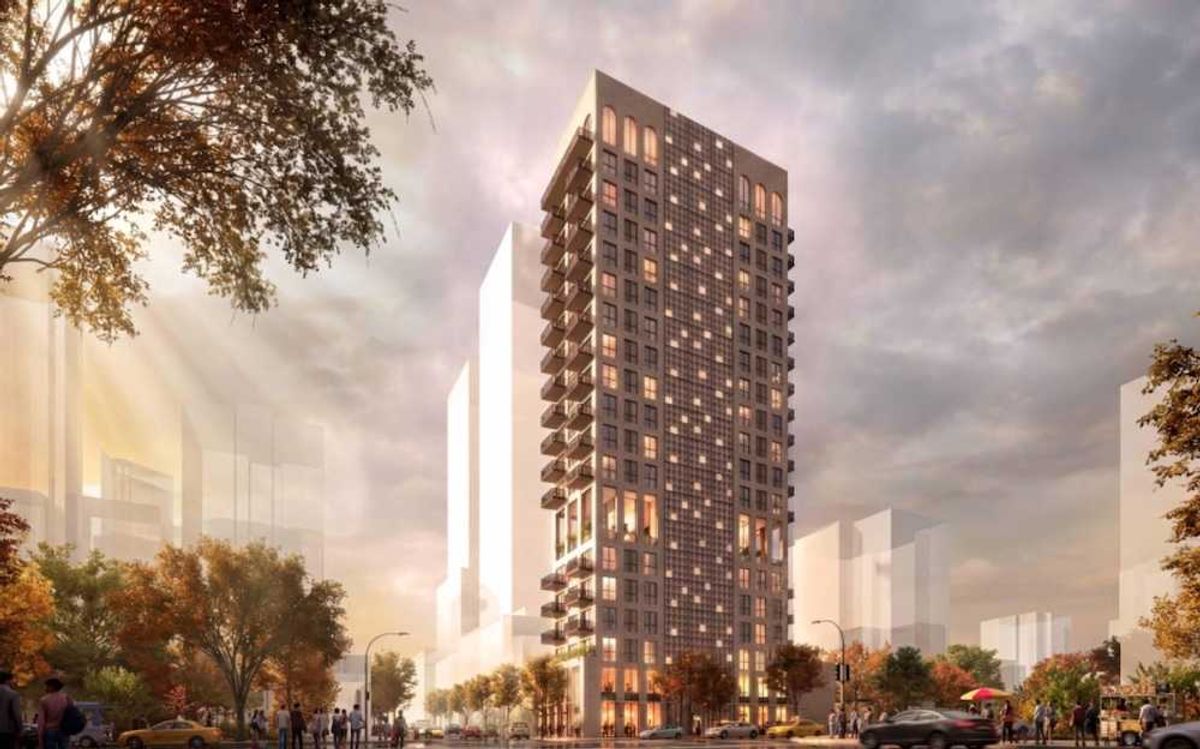
That shift is being driven in part by new supply, with Canada’s largest metros adding more than 94,600 rental units through November 2025, per CMHC and Common Sense Economics. It’s one of the strongest stretches of purpose-built rental delivery in years, and the impact is now showing up in pricing and availability.
While several large markets — including Toronto, Montreal, Ottawa–Gatineau, and Calgary — recorded year-over-year declines in deliveries, Vancouver and Edmonton saw significant increases, underscoring how uneven the supply story remains across the country.
National new-lease rent growth slowed to just 0.7% in Q4 2025, down sharply from 2.4% in Q3 and 6.4% a year earlier. Several Ontario markets tipped into negative territory, including Kitchener–Cambridge–Waterloo (-2.7%), Toronto (-1.0%), and Hamilton (-0.2%), reflecting softer demand tied to outmigration, a pullback in non-permanent residents, and growing competition from condominium units being rented after failing to sell.
In-place rents are also losing momentum. The national average increased just $9 in Q4 to $1,746 — the smallest quarterly increase in more than four years — bringing annual growth down to 3.2%. Halifax, Montreal, and Ottawa–Gatineau posted the strongest year-over-year gains, while Calgary was the only major market to record a decline.
Vacancy continues to climb. Canada’s national apartment vacancy rate rose to 4.5% in Q4 2025, the highest level since Yardi began tracking in 2020. Vacancy rates were highest in Calgary, Edmonton, Montreal, Saskatoon, and Hamilton, and increased year-over-year in most major CMAs, including Toronto and Vancouver. Population growth has slowed sharply, with Statistics Canada estimating just 81,000 net new residents in 2025, the smallest year-over-year increase in decades, driven in part by reduced targets for non-permanent residents and record-high outflows as temporary permits expire.
Despite the softening, Yardi stresses that the market isn’t breaking. Housing supply remains structurally constrained, meaning occupancy should hold up outside of specific segments such as bachelor units. Operating costs, however, remain elevated, averaging $8,004 per unit annually in 2025, with the highest expenses recorded in Ontario and Alberta.
“Canada’s rental market is entering a new chapter,” said Peter Altobelli, Vice President and General Manager of Yardi Canada. “We haven’t seen this level of new purpose-built rental supply in a long time, and it’s already shifting market conditions.”
The takeaway heading into 2026 is a familiar one: fundamentals are still intact, but the balance of power is shifting. And for the first time in years, renters in several major markets are seeing some breathing room.