Sump Pump

Explore sump pumps in Canadian real estate, how they work, where they’re used, and how they protect homes from water damage and flooding.

Sump Pump


What is a Sump Pump?

A sump pump is a mechanical device installed in the lowest part of a basement or crawl space to remove accumulated water and prevent flooding.

Why Do Sump Pumps Matter in Real Estate?

In Canadian real estate, sump pumps are especially common in flood-prone areas or homes with high water tables.


Sump pump systems typically include:
  • A sump pit or basin where water collects
  • An electric pump that activates when water reaches a set level
  • Discharge piping that redirects water away from the foundation


A working sump pump can reduce moisture, mold growth, and structural damage. Many home insurance providers recommend or require one in at-risk properties.


Understanding sump pumps helps homeowners and buyers manage drainage risks and protect basements from water damage.

Example of a Sump Pump in Action

After a spring thaw, the sump pump in the home’s basement activates several times to divert groundwater and prevent flooding.

Key Takeaways

  • Prevents basement flooding.
  • Activates automatically in high water.
  • Essential in flood-prone areas.
  • Requires regular maintenance and backup power.
  • Can reduce insurance claims and damage.

Related Terms

  • Drainage System
  • Basement
  • Floodplain
  • Home Insurance
  • Water Table
Additional Terms

Public Realm Improvements

Public realm improvements are enhancements to public spaces such as sidewalks, parks, plazas, and streetscapes, often funded or contributed by. more

Mortgagee in Possession

A mortgagee in possession is a lender who takes control of a property after borrower default, but before foreclosure or power of sale. The lender. more

Lease Surrender Agreement

A lease surrender agreement is a negotiated contract between a landlord and tenant that ends a lease before its scheduled expiration. Terms may. more

Green Infrastructure

Green infrastructure refers to natural or engineered systems that manage stormwater, reduce heat, and improve sustainability in developments.. more

Escrow Holdback

An escrow holdback is a portion of funds withheld at closing and held in escrow until specific conditions are met, such as completion of repairs,. more

Underused Housing Tax

The Underused Housing Tax (UHT) is a federal annual 1% tax on the value of vacant or underused residential property owned by non-resident,. more

More For You

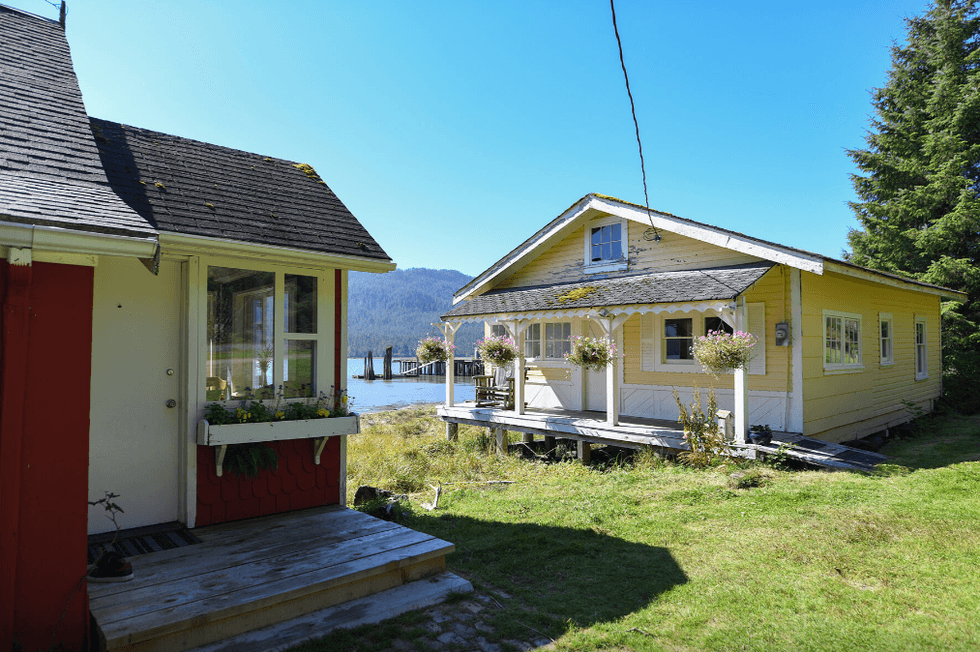
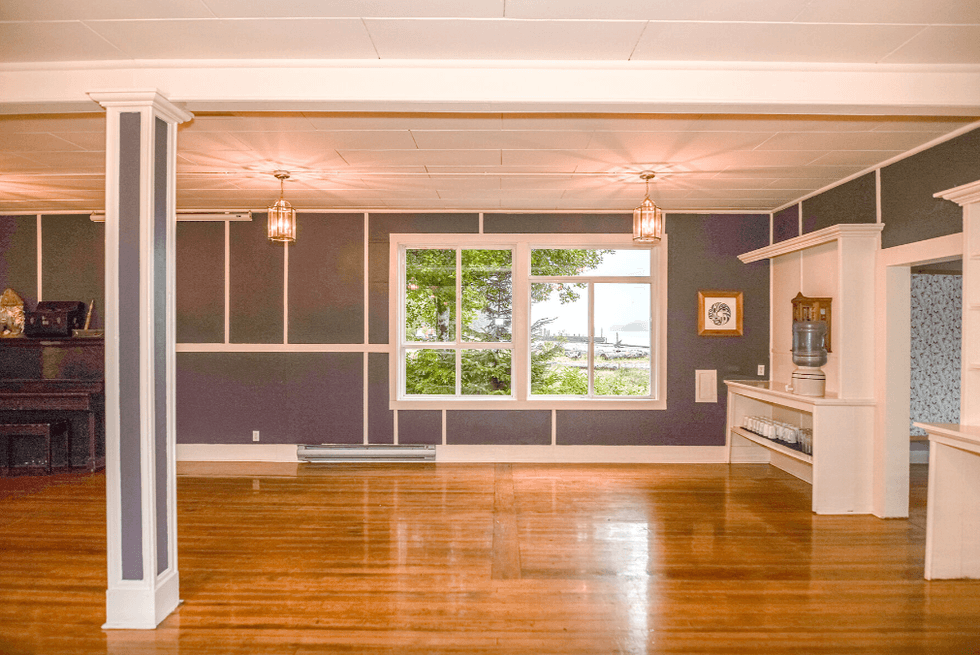
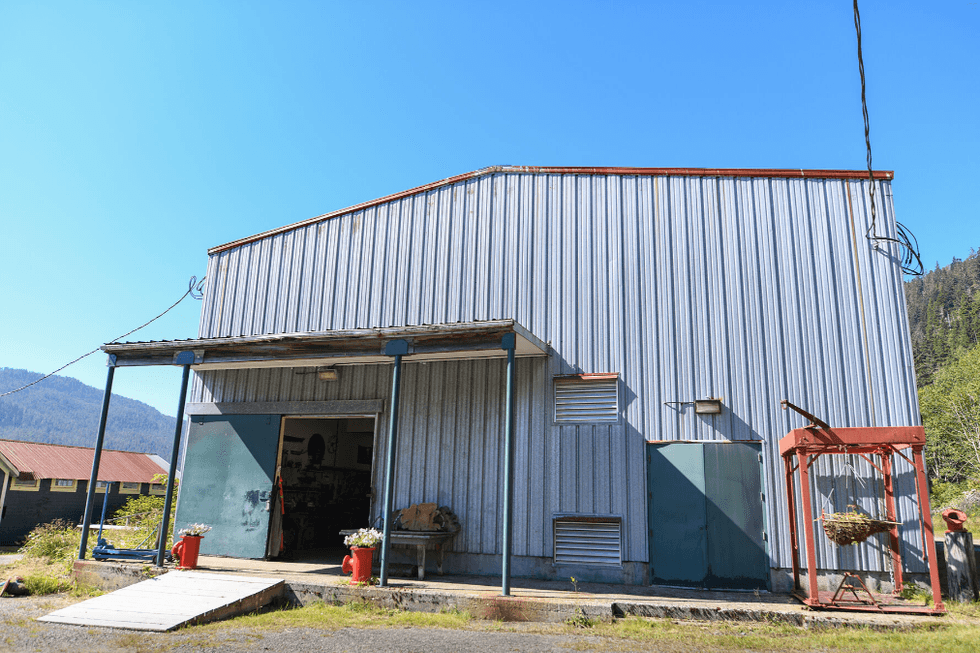
There are waterfront properties, and then there's Cassiar Cannery.

Situated on BC's North Coast, just 30 minutes from Prince Rupert, the 74-acre estate at Lot 44 Cassiar Drive in Port Edward is not any conventional listing. It's a living landmark — one that operated as the longest consecutively operating salmon cannery on the West Coast.

Keep ReadingShow less
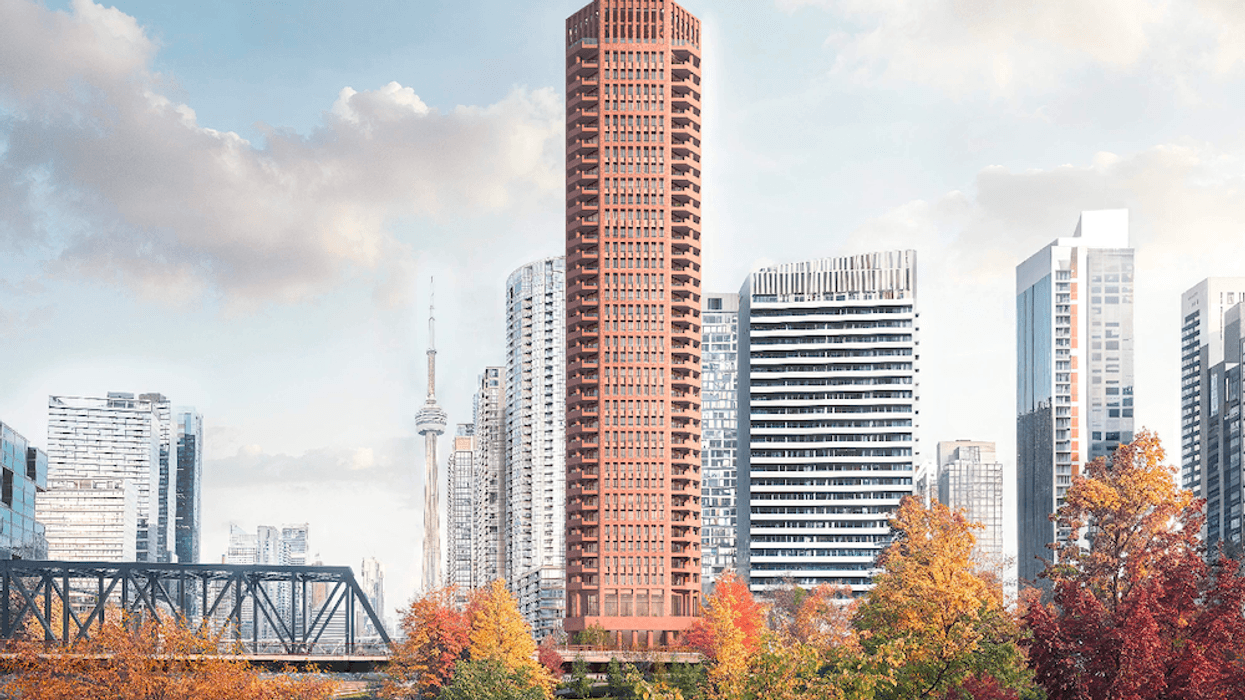
Pemberton Group Ups Height On Church Street Proposal (Again), To 61 Storeys

Rendering of 149 Church Street/Graziani + Corazza Architects

It’s been almost eight years since Pemberton Group filed plans for 139-149 Church Street and 18-20 Dalhousie Street, which is a stone’s throw from St. Michael's Hospital in downtown Toronto.

Given the proximity, redevelopment is a tall order — the plans must be sympathetic to the City’s housing needs and the evolving tall building context of the area, without obstructing the hospital’s helicopter flight path.

Keep ReadingShow less
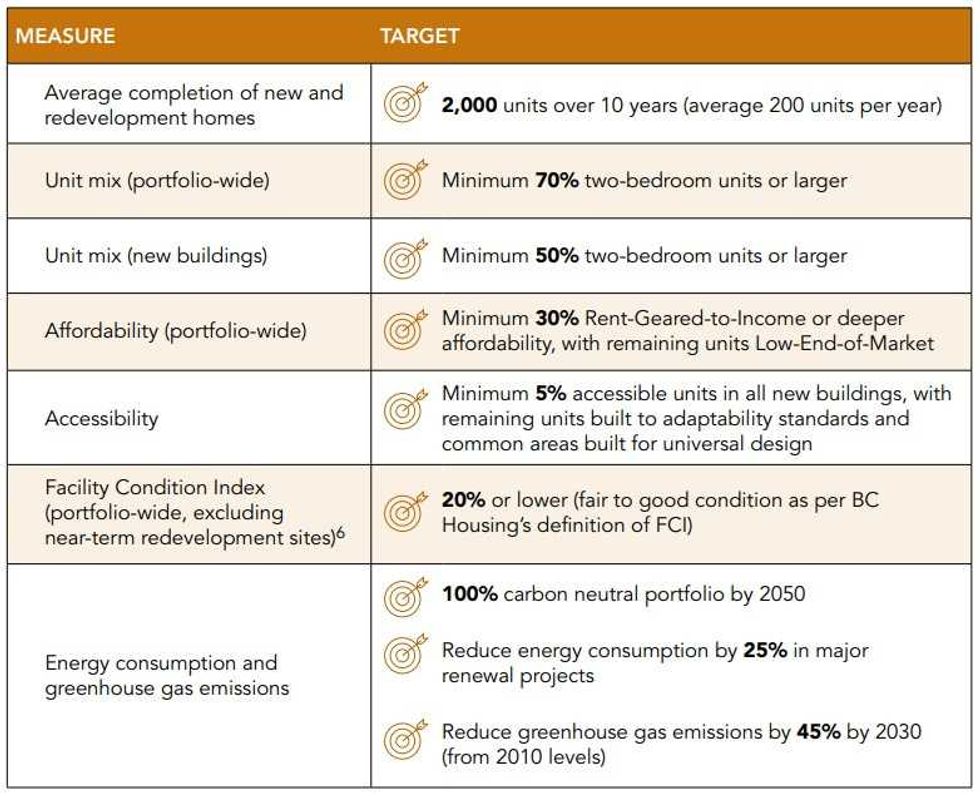
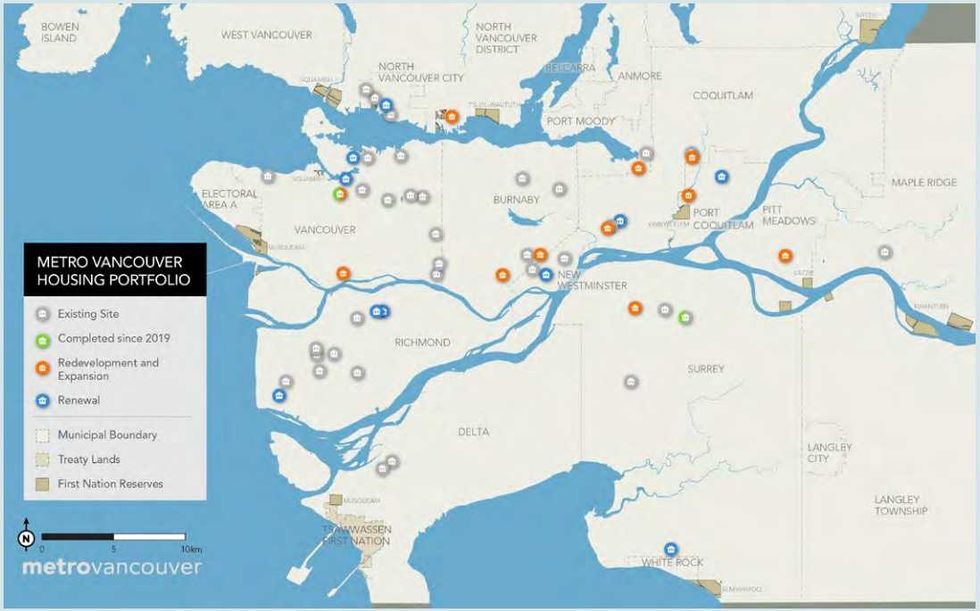
Metro Vancouver Regional District To Invest $150M Towards Expanding Housing Portfolio

While local governments in British Columbia are getting into the business of housing, the Metro Vancouver Regional District (MVRD) has been in the business of building and operating housing for over 50 years already.

The Metro Vancouver Housing Corporation (MVHC) currently has a portfolio of over 3,400 non-market rental units across 53 properties (existing and under development), with a total portfolio value of $923 million.

Keep ReadingShow less
GTA New Home Sales Tick Higher As HST Cut Sets Stage For Recovery: BILD

New home sales in the Greater Toronto Area showed marginal improvement in February 2026, though activity continued to track well below historical norms, according to the newest from the Building Industry and Land Development Association (BILD).

There were 531 new homes sold across the GTA last month, up 16% from February 2025 but still 76% below the 10-year average of 2,251 units for the month, based on data from Altus Group, BILD's official source for new home market intelligence.

Keep ReadingShow less
Canadian Commercial Real Estate Is Warming Up To AI, But Slowly

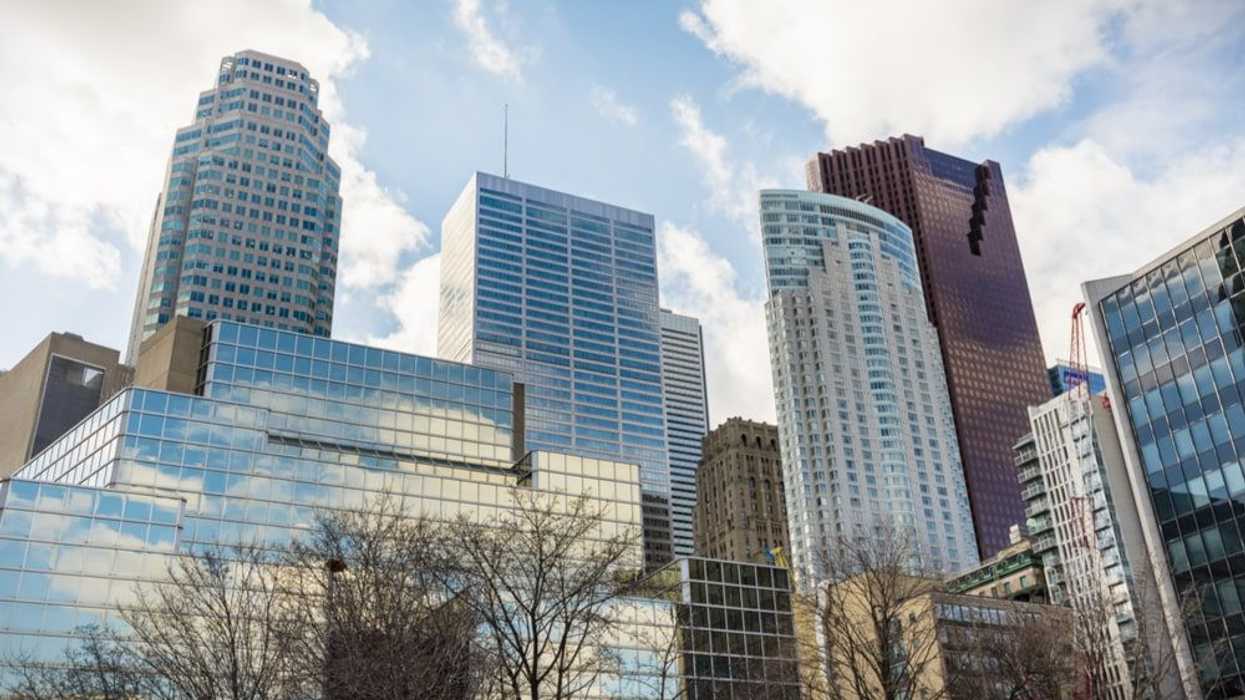
Toronto office buildings

Increased efficiency and reduced costs.

That is what AI promises the commercial real estate industry. And it’s a tantalizing promise, but despite the big buzz around big tech, a recent report shows uptake of AI solutions in the commercial segment has been underwhelming.

Keep ReadingShow less
Ross McCredie On: Douglas Elliman Canada, Sutton Group, And The Luxury Market

Ross McCredie, CEO and Chairman of Sutton Group and Principal of McCredie Investments. (Sutton Group)

Last week, Canadian residential real estate brokerage Sutton Group and American luxury real estate brokerage Douglas Elliman announced a two-pronged cross-border relationship that will see the American brand enter Canada, and the two companies establish a two-way referral program.

After buying the license for Sotheby’s International Realty Canada in 2004, real estate entrepreneur Ross McCredie, through McCredie Investments, is buying the license to the Douglas Elliman brand in Canada, which will be called “Elliman Canada.” (The company initiated a rebranding a few months ago and, while there's been no official announcement yet, Douglas Elliman will be rebranding as “Elliman.”)

Keep ReadingShow less
Ontario Expands HST Rebate, Eliminates Tax On New Homes Up To $1M
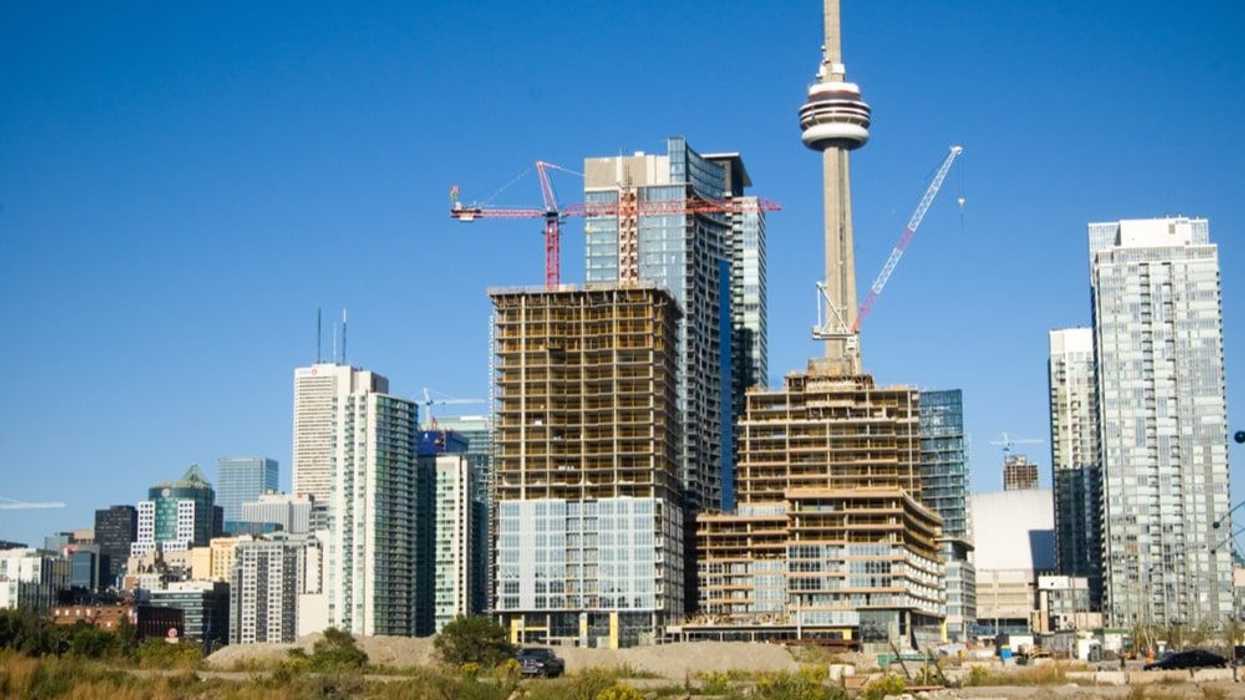
Toronto skyline/Shutterstock

Ontario is moving to take a bigger swing at housing affordability — this time by scrapping the HST on new homes for a broader pool of buyers.

As part of its 2026 Budget, the Government of Ontario says it will remove the full 13% Harmonized Sales Tax for eligible purchasers of new homes priced up to $1 million, translating to a maximum rebate of $130,000. That max rebate would also extend to homes valued up to $1.5 million, before phasing down on a sliding scale to $24,000 for homes priced at $1.85 million and above.

Keep ReadingShow less
OREA Pushes For Development Charge Reform, Makes Several Recommendations

(OREA)

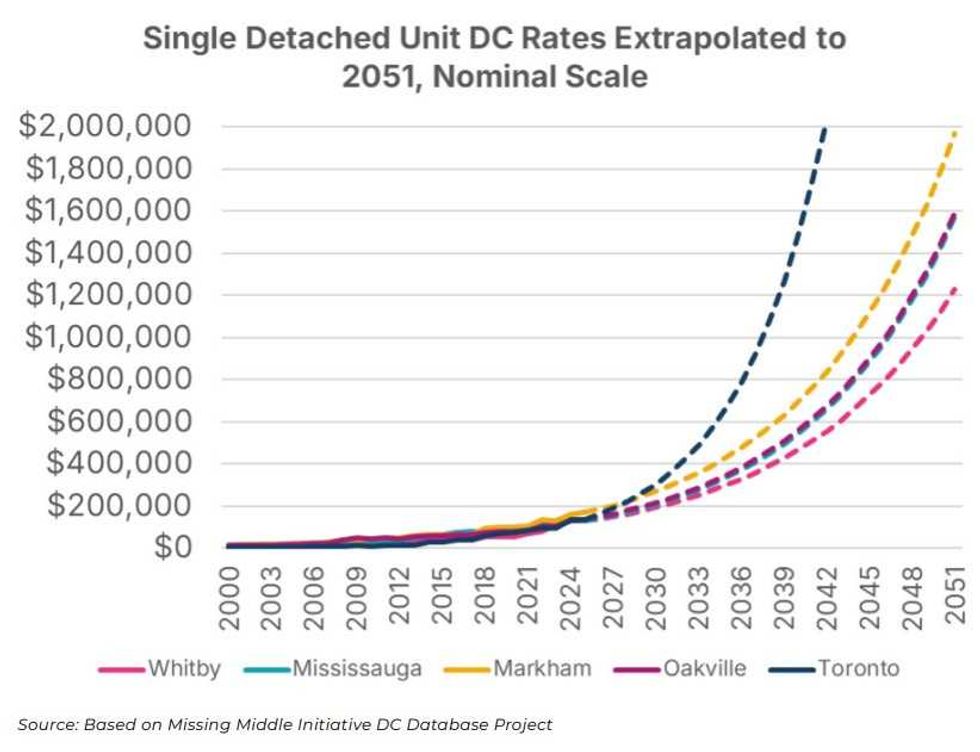
There is no easy way to control consumer sentiment, macroeconomic conditions, or the cost of construction materials (let alone tariff threats from our neighbour), which is a big reason why the real estate industry has been so focused on development charges (DCs) in recent years.

Development charges are levied by governments on new construction, and are used to fund new infrastructure, under the premise that “growth pays for growth.” When the real estate market was strong, development charges were tolerable because homes could be sold for a high enough price to cover them.

Keep ReadingShow less