Outparcels
Understand outparcels in Canadian commercial real estate: standalone buildings that benefit from mall traffic while offering separate branding and access.
May 30, 2025
What are Outparcels?
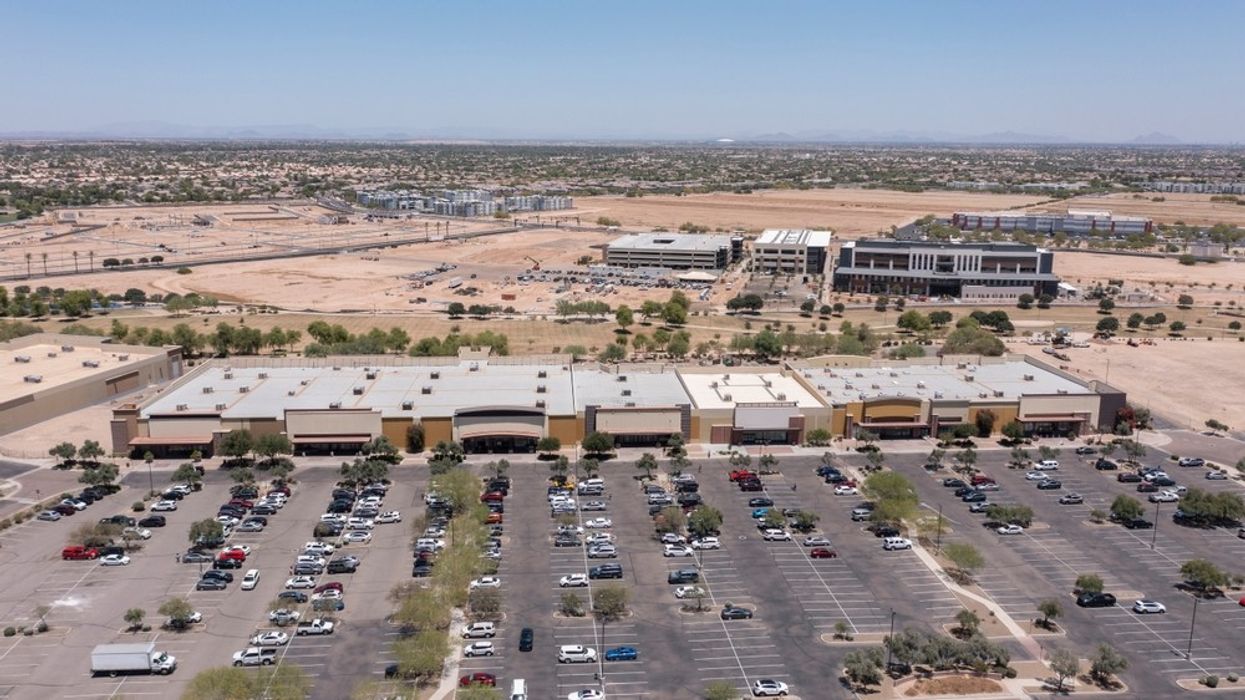
Outparcels are stand-alone commercial properties located near or on the outer edge of a larger retail or shopping centre complex.
Why Do Outparcels Matter in Real Estate?
In Canadian commercial real estate, outparcels offer tenants or investors high visibility and traffic without being inside the main mall structure.
Common outparcel tenants include:
- Banks and fast-food chains
- Gas stations or pharmacies
- Small-format retail stores or service centres
Outparcels are attractive due to independent access, signage control, and the ability to attract drive-by customers.
Understanding outparcels helps commercial investors identify profitable standalone leasing opportunities near high-traffic centres.
Example of Outparcels in Action
A national coffee chain purchases an outparcel fronting a suburban shopping centre to benefit from steady vehicle traffic without leasing interior mall space.
Key Takeaways
- Stand-alone sites near larger shopping centres.
- Provide high visibility and access.
- Occupied by banks, drive-thrus, or retail chains.
- Often sold or leased independently.
- High demand for prime commercial exposure.
Related Terms
- Retail Zoning
- Commercial Property
- Ingress and Egress
- Triple Net Lease
- Anchor Tenant
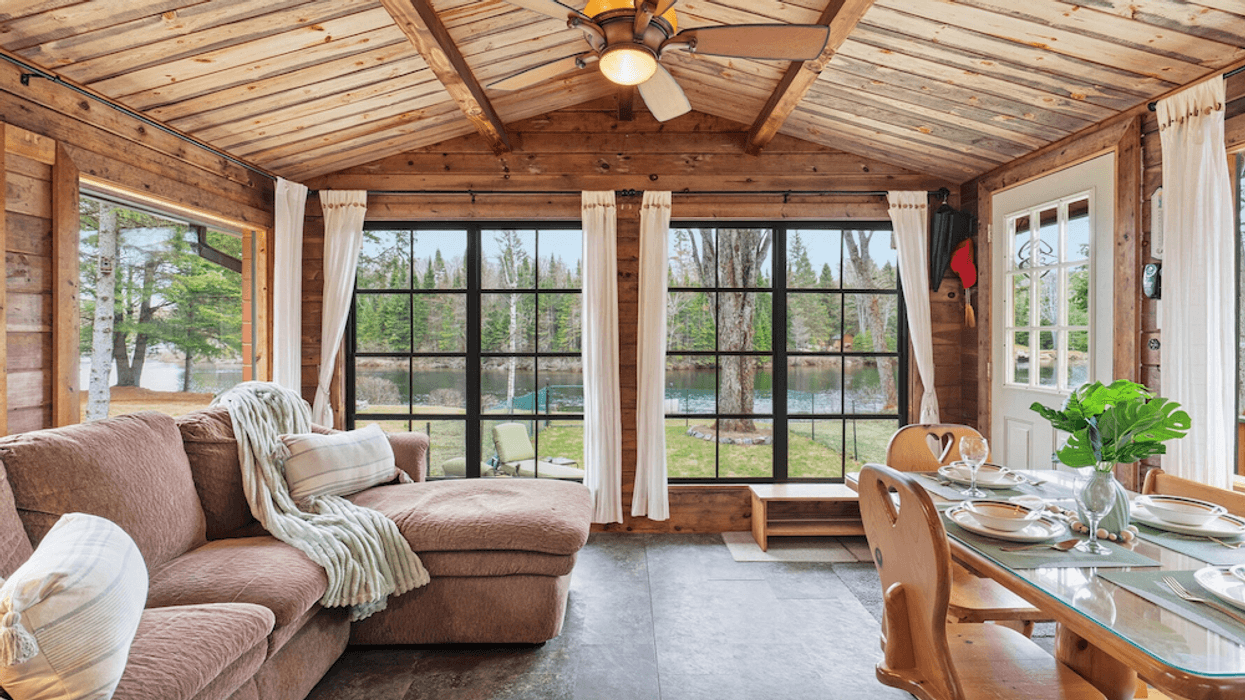
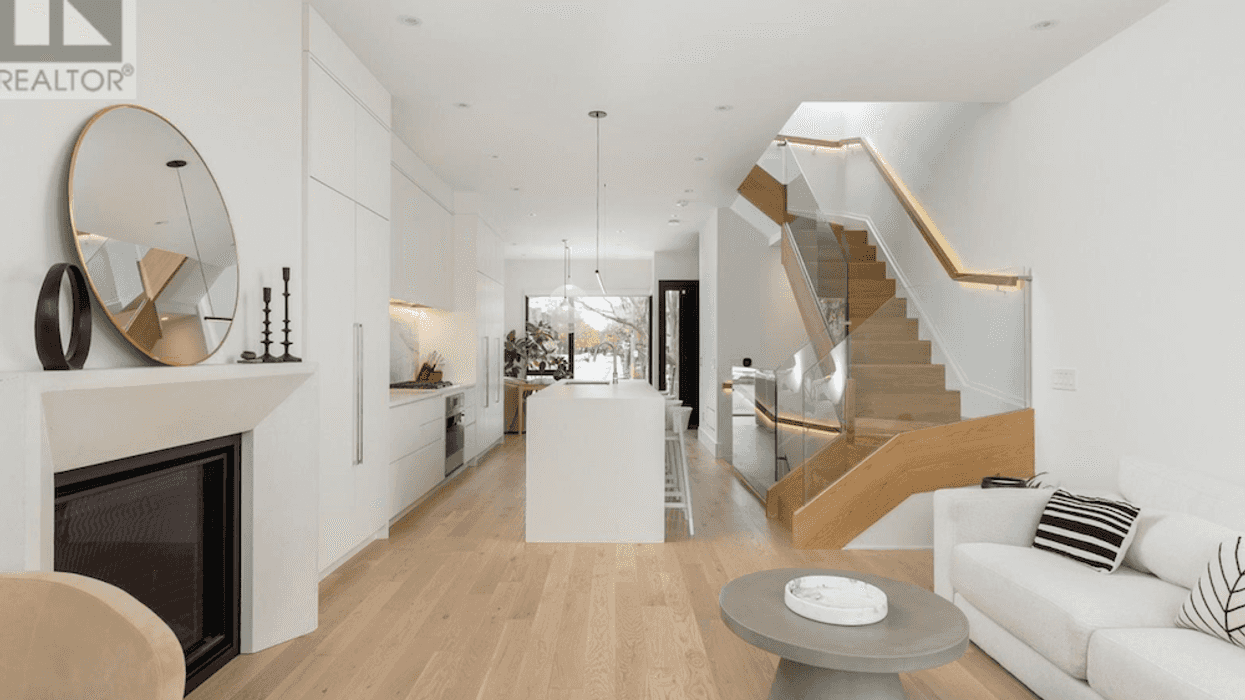
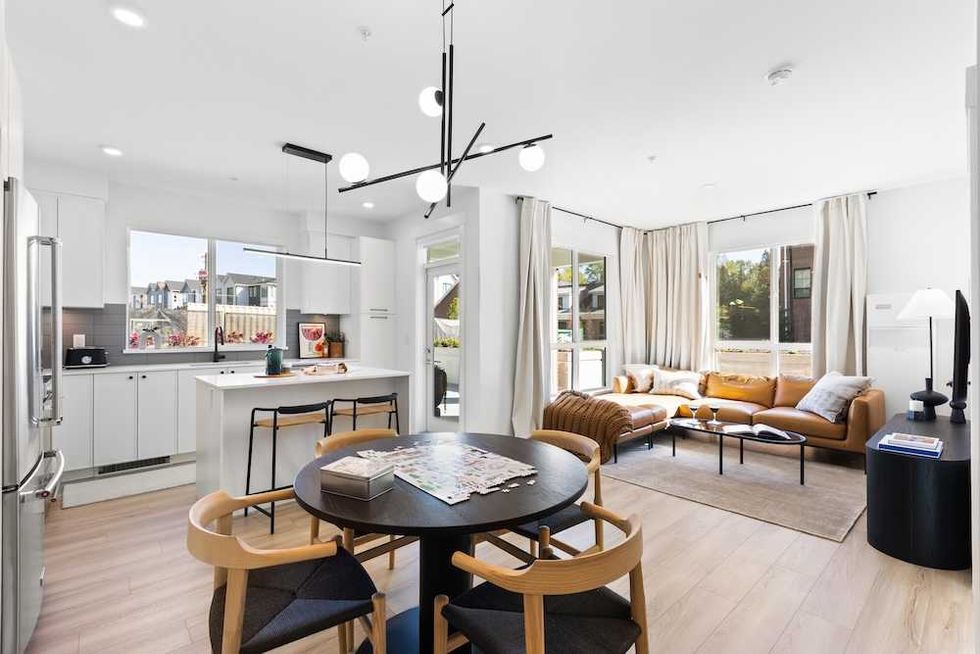 The Mason Suite Interior (Infinity Properties)
 The Mason Suite Interior (Infinity Properties)
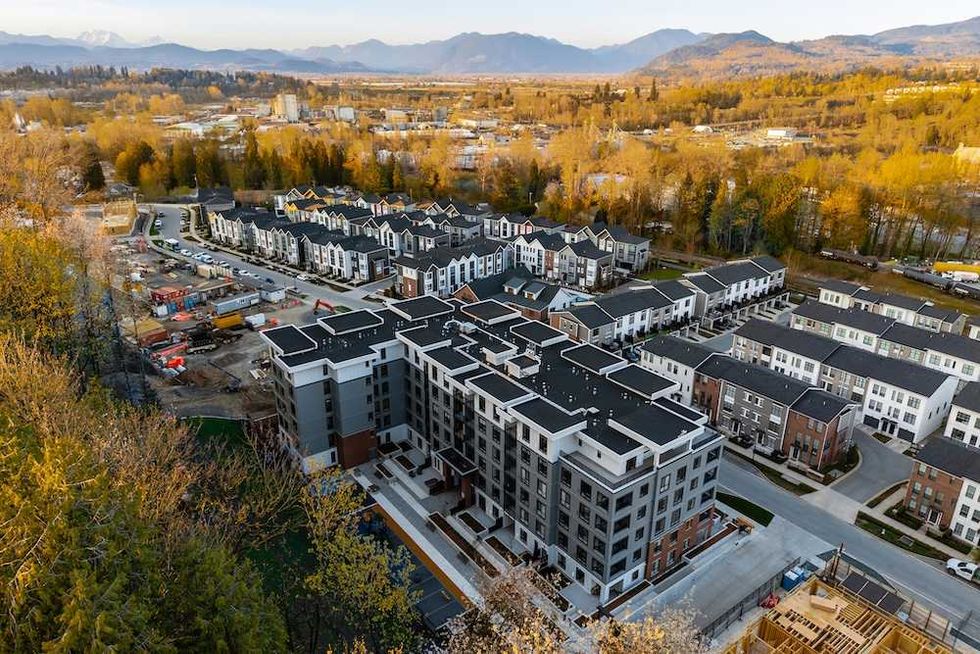 Rail District aerial (Infinity Properties)
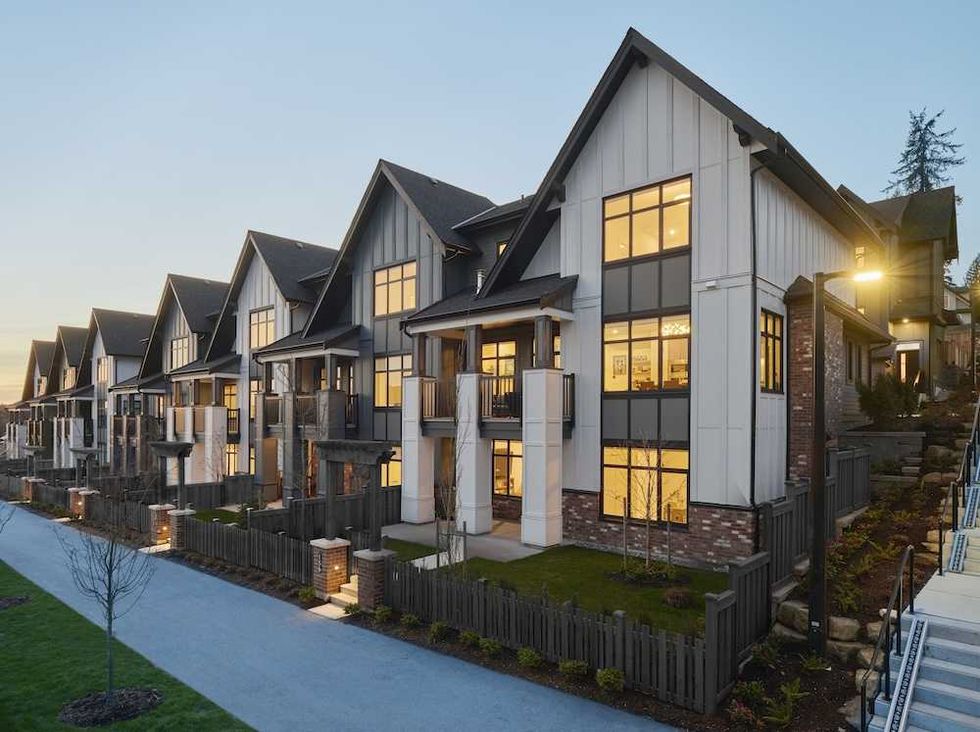 Versant (Infinity Properties)
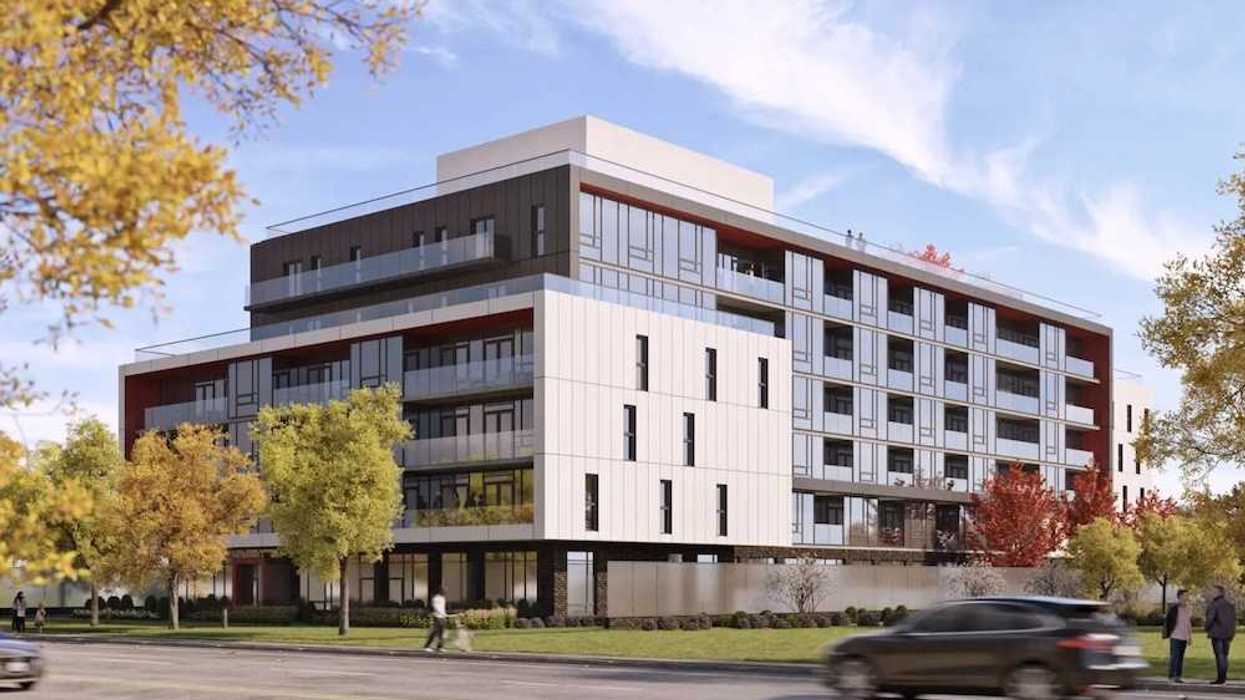
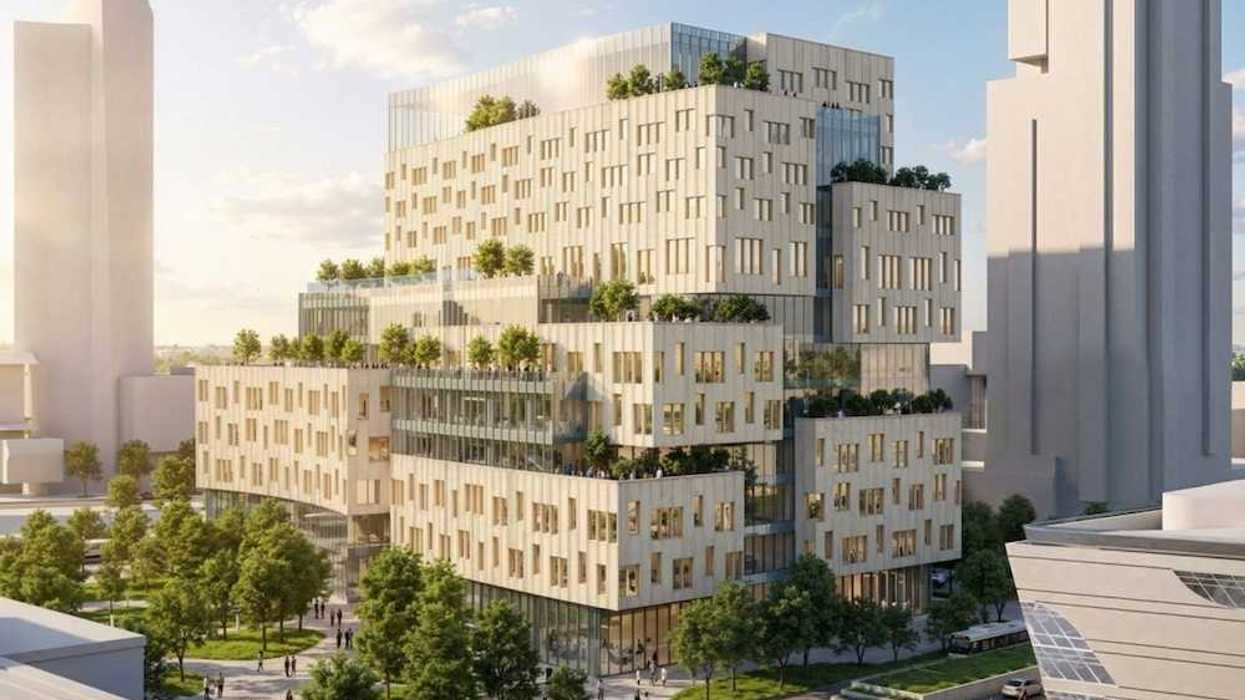




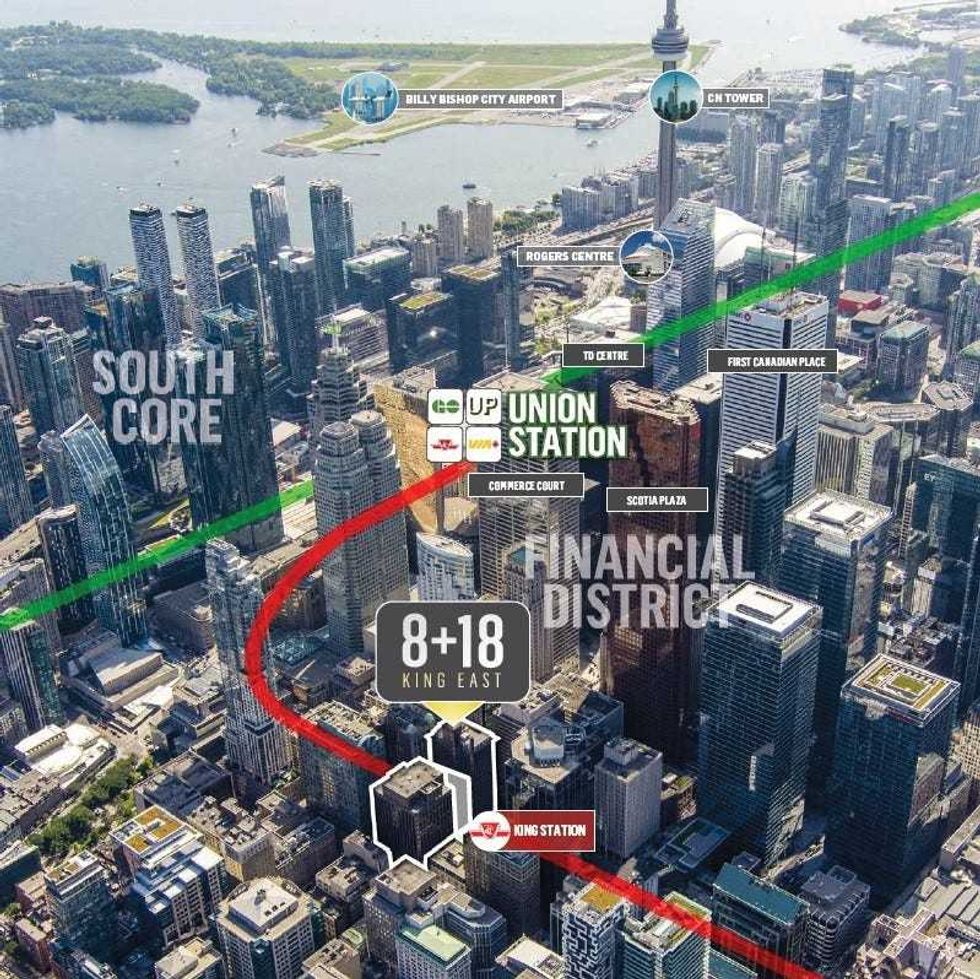 8 and 18 King Street East in Toronto. (RBC Capital Markets Realty)
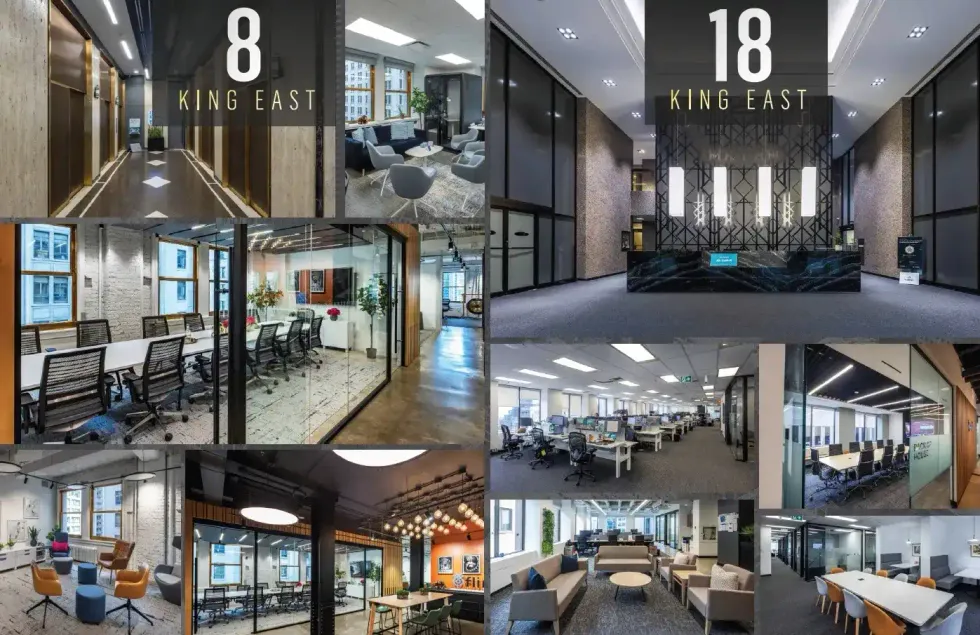 Interior photos of 8 and 18 King Street East. (RBC Capital Markets Realty)
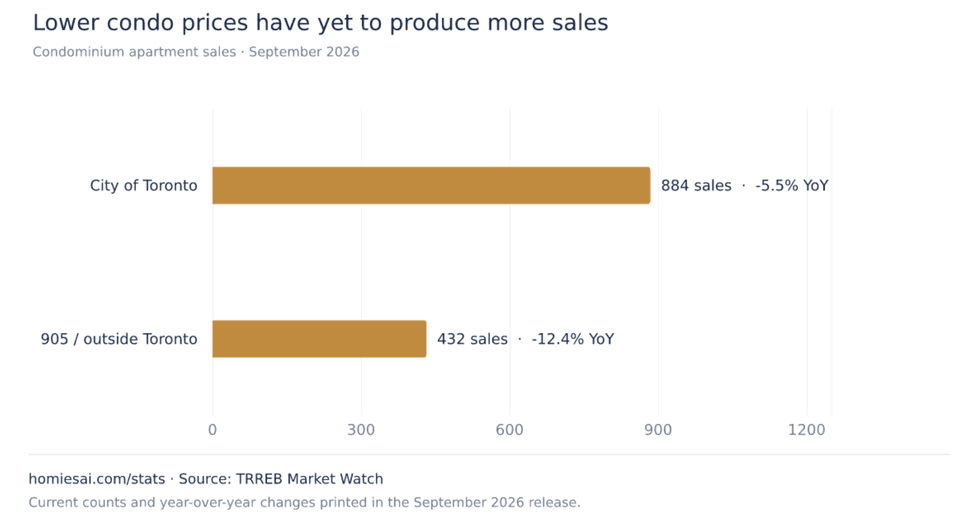
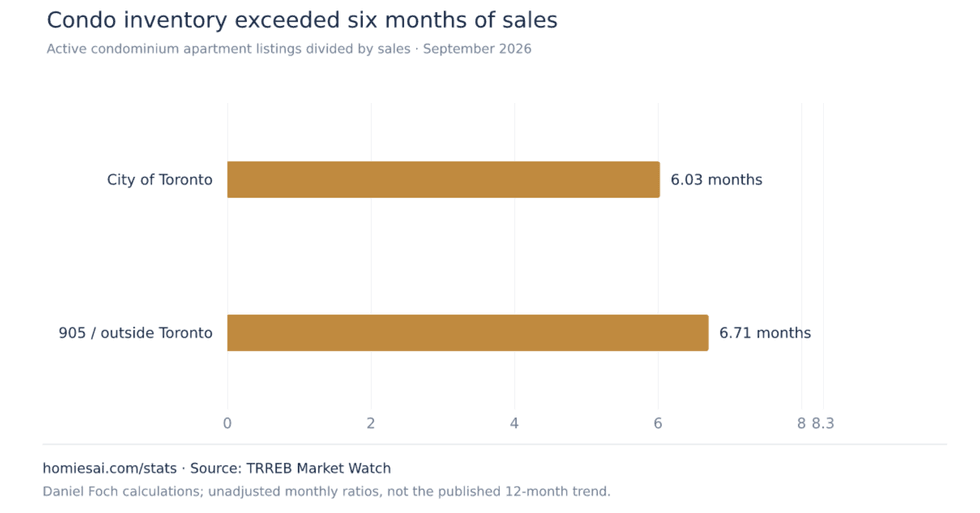
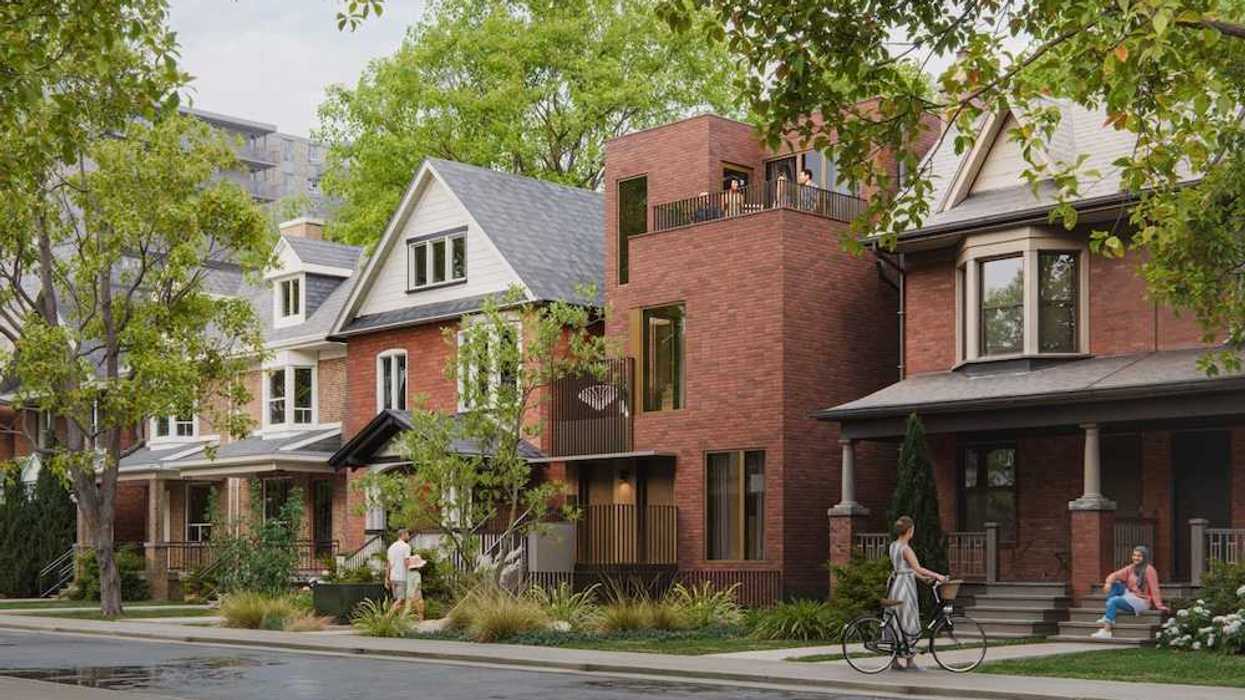
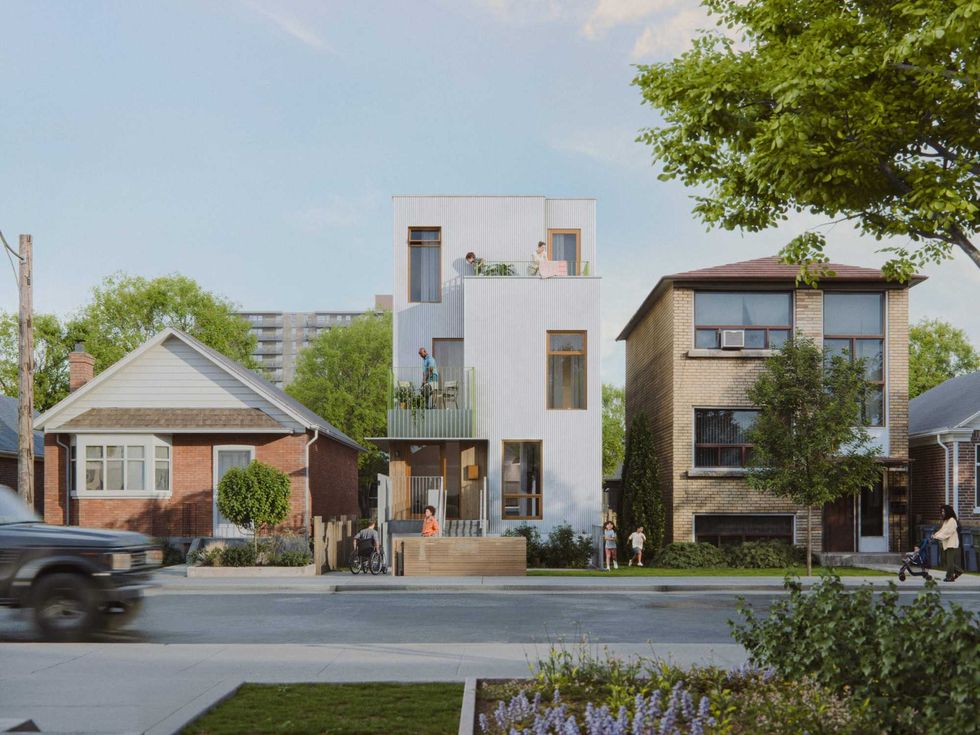 Narrow Fourplex (City of Toronto)
 Wide Sixplex - Side View (City of Toronto)