Interim Occupancy Fee
An interim occupancy fee is paid by condo buyers before registration, covering estimated costs without building equity.

September 30, 2025
What is an Interim Occupancy Fee?
An interim occupancy fee is a payment made by buyers of pre-construction condos in Ontario during the occupancy period before final closing. Since buyers cannot take legal title until the condominium is registered, they pay a fee covering estimated taxes, maintenance, and interest on the unpaid balance.
Why Interim Occupancy Fees Matter in Real Estate
Interim occupancy fees matter in real estate because they impact affordability and cash flow for condo buyers. Buyers occupy their units and pay fees without building equity until final closing, making it a critical cost to understand in pre-construction purchases.
Example of Interim Occupancy Fees in Action
A buyer takes occupancy of their pre-construction condo six months before registration. During this time, they pay $2,000 per month in interim occupancy fees until the building is officially registered and they close on title.
Key Takeaways
- Paid during condo occupancy before registration.
- Covers taxes, maintenance, and interest components.
- Does not build equity for the buyer.
- Critical cost in pre-construction affordability analysis.
- Ends when condo registration and final closing occur.
Related Terms
- Pre-construction Condo
- Closing Costs
- Occupancy Period
- Tarion Warranty
- Status Certificate

 The Mason Suite Interior (Infinity Properties)
 The Mason Suite Interior (Infinity Properties)
 Rail District aerial (Infinity Properties)
 Versant (Infinity Properties)








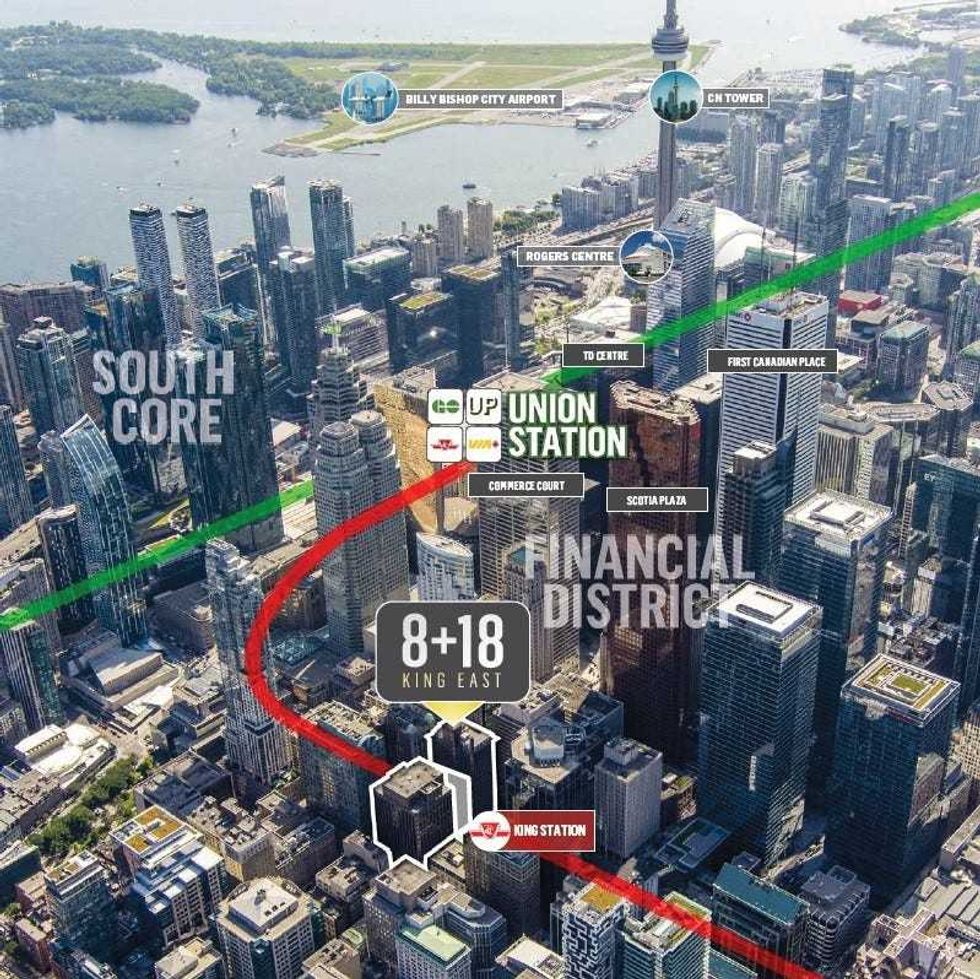 8 and 18 King Street East in Toronto. (RBC Capital Markets Realty)
 Interior photos of 8 and 18 King Street East. (RBC Capital Markets Realty)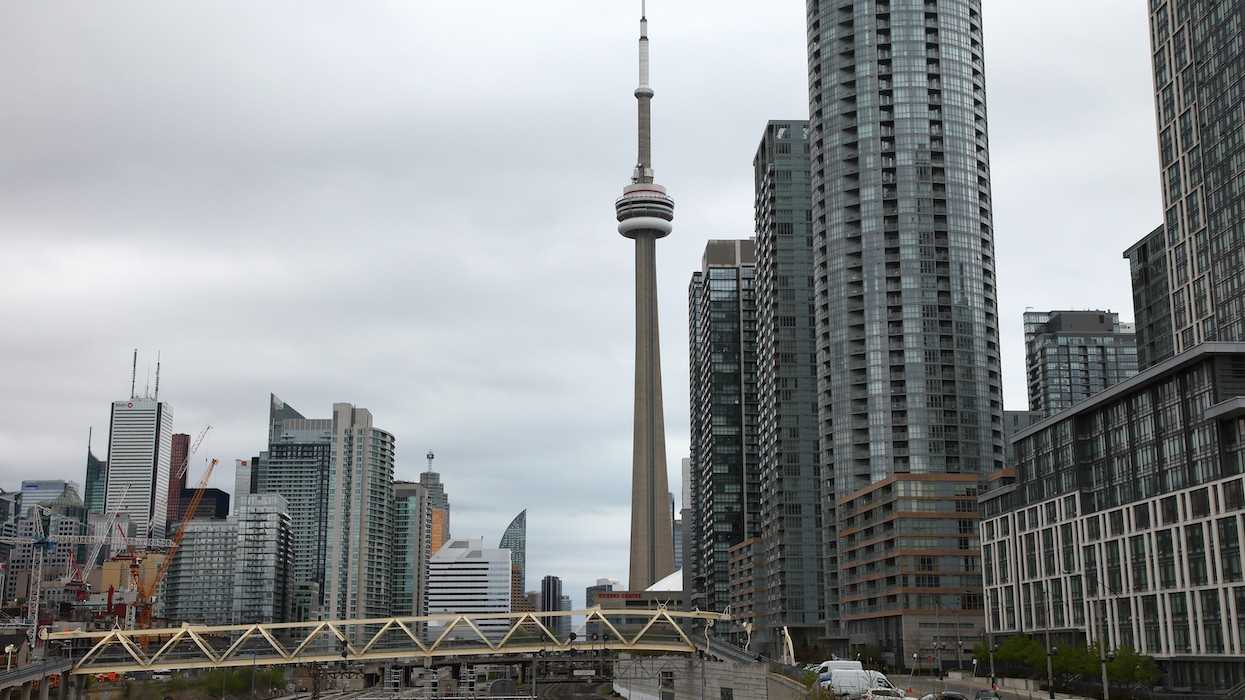

 Narrow Fourplex (City of Toronto)
 Wide Sixplex - Side View (City of Toronto)