For years, the obituary for the “Great Canadian Dream” of homeownership has been written in steep market prices and interest rate hikes. But according to RBC’s Spring 2026 Home Ownership Poll, the dream hasn’t actually died – it’s adapted.
The online survey polled 1,719 Canadians between January 7 and January 25, 2026 using Leger’s online panel.
Despite today’s market uncertainty and geopolitical unrest, 67% of Canadians have goals of home ownership, up from 62% last year. Meanwhile, 32% had plans to purchase a home in the next two years, holding steady year after year. How they get there may just look different from their parents’ generation.
Reasons to Dream
Four-in-five respondents (80%) believe buying a home is one of life's biggest financial milestones, with a majority viewing owning a home as a sign of financial independence (73%) or essential to their future (62%). Reasons for wanting to own a home range from financial gain to desires for self-expression and personal customization.
For Brianna Carroll and her husband Devin, the desire to own a home is rooted in stability and flexibility. “We currently live in a non-rent controlled unit, and purchasing a home offers long-term consistency, both in cost and in comfortability,” says Carroll. “A home provides a space that we can fully customize to our lifestyle, which is something we can’t do within a condo rental looking ahead five to 10 years. We’ve done a lot of moving over the past few years and it will be nice to have a place to truly settle into for the foreseeable future.”
It’s a sentiment shared by Dylan Nowo. “Homeownership is important to me because I want a space I can freely renovate and make my own,” says Nowo. “My wife and I are both very creative and find that renting is limiting in terms of how much you can do. Our income level has kept us in older units and older apartments that don’t meet the aesthetic that we’re looking for.”
This desire for stability isn't just emotional. Don Kottick, President, REMAX Canada notes that homeownership remains the primary vehicle for financial growth in a high-tax environment. “We are probably one of the most heavily taxed countries in the world,” says Kottick. “There are not many ways to accumulate wealth in Canada with our high taxation rates ... people know that historically the market is cyclical, and one of the surest ways to accumulate wealth is through homeownership.”
RBC’s survey found that we’ve seen a mindset shift from fear of missing out (FOMO) to concern about making the right move at the right time. The majority worry about whether it is the right time to buy (66%) and about making the wrong decision (63%).
Brianna and Devin have been casually looking for a few months with the hope to purchase this year, but have not made any offers yet. “That’s primarily because we’re seeing sellers holding out for higher offers than listing prices, which don’t necessarily match where the market is currently sitting,” says Carroll. “We’re also seeing lots of offer dates, but they don’t seem to actually draw competitive offers like buyers would have seen during COVID. We have the luxury of taking our time and finding something that really works for us because the market is significantly less competitive from what has been seen the past couple years.”
The New Entry Point
Yes, the climate is uncertain – but for many first-time buyers, it’s nothing new. From the pandemic price rollercoaster to the wild interest rate ride, it hasn’t been easy.
As Tom Storey, a Toronto-based real estate agent with Royal LePage Signature Realty, points out, the twenty-something year-old entry-level condo buyer is a distinct breed in this market. “They’re young enough that they weren't really paying attention when the market was going crazy ten years ago because they were in university,” says Storey. “They see that prices have dropped and think, ‘Okay, this is a good opportunity.’” Unlike those who have been renting for a decade and feel the "Great Canadian Dream" has moved out of reach, this younger cohort is often entering the market with parental help, either through a gifted downpayment or a co-signed mortgage.
The good news is that prices have softened, inventory has increased (especially for condos in cities like Toronto), and interest rates have dropped from their peak. In February 2026, new listings in the Greater Toronto Area (GTA) were down 17.7% year-over-year, but because sales fell by 6.3%, the market remains firmly in buyer’s territory, with months of inventory trending higher than the five-year average.
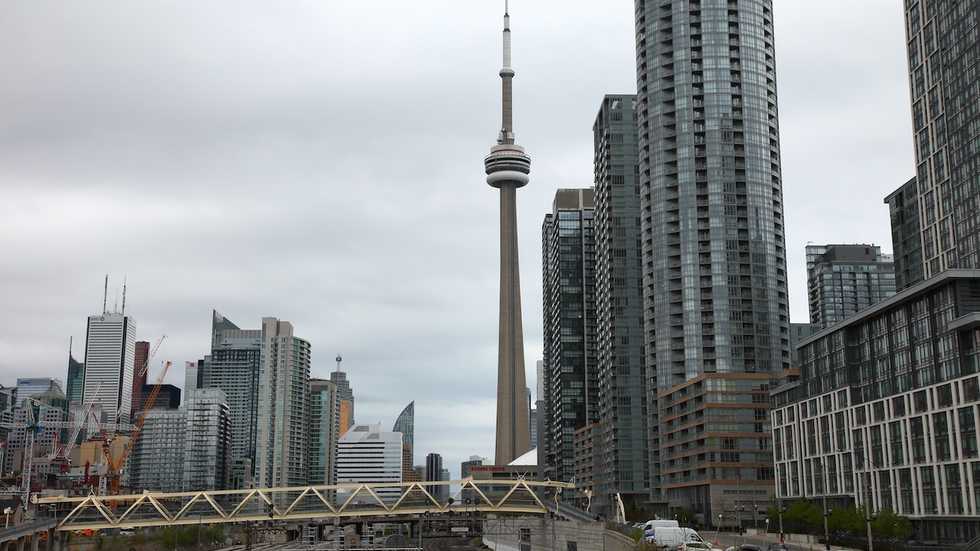
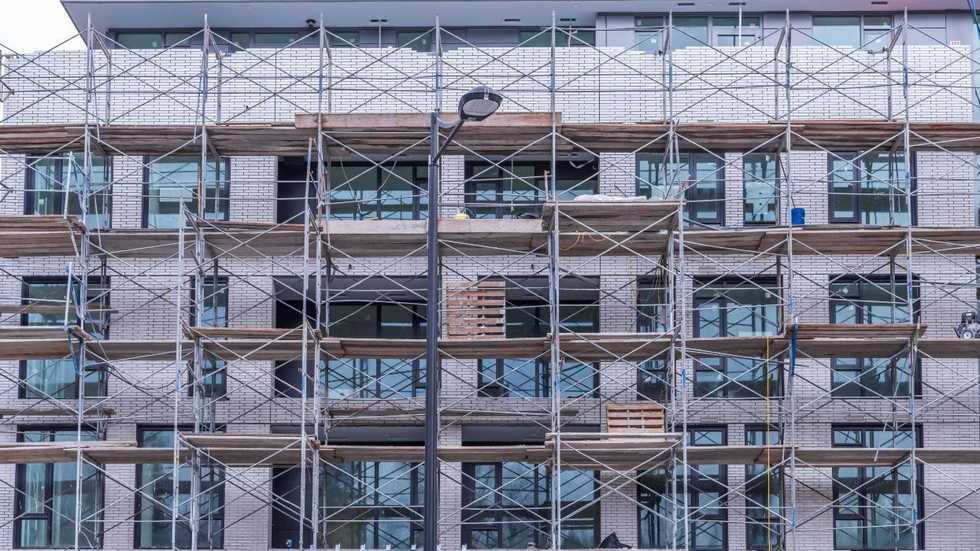
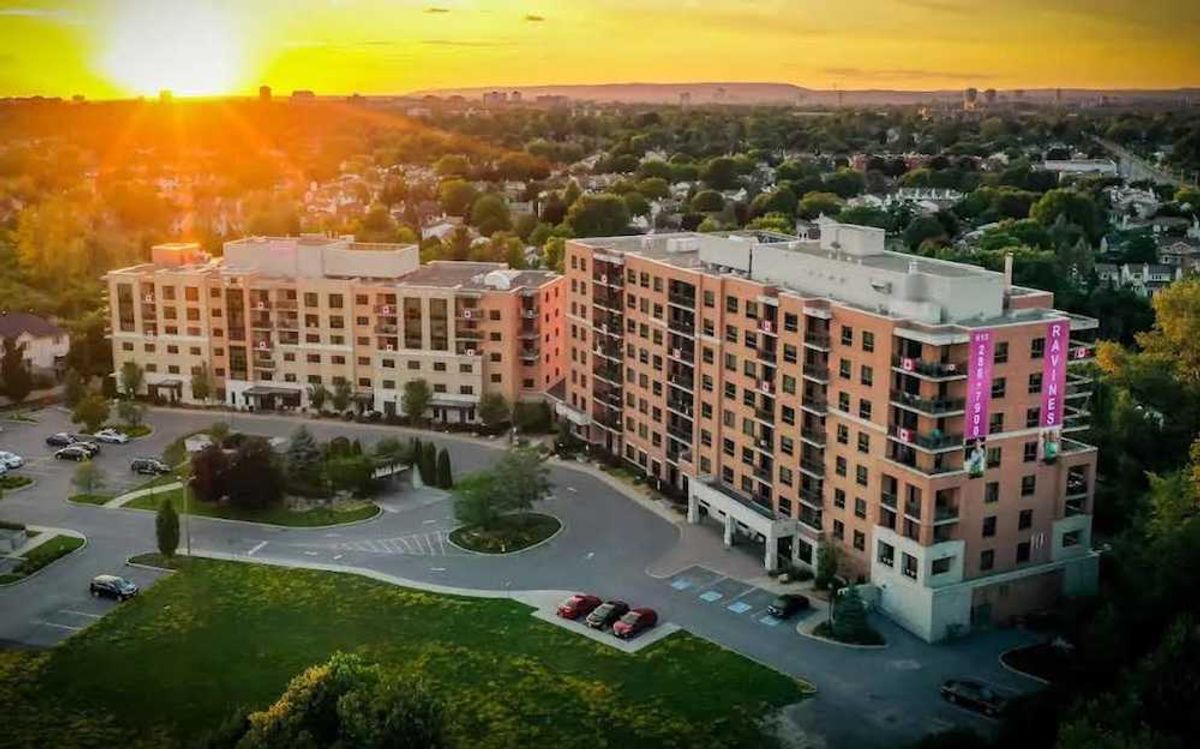
While there is a narrative that Toronto is only building investor shoeboxes, Storey argues that livable inventory exists for those willing to look past the newest glass towers. “The tiny condos get all the attention, but two-bedrooms have always had the most active listings and sales,” he says. The trade-off for a better floor plan often means looking at slightly older buildings. “They tend to be more livable units, and while people worry about higher maintenance fees in older buildings, when you break it down by cost per square foot, they’re often the same or even lower than the shiny new builds,” says Storey.
In other words, cheaper homes don’t necessarily mean cheaper ownership.
While the shift toward "livable" two-bedrooms is clear, Kottick believes the much-maligned micro-units still serve a purpose. “They’re there, and unless we renovate them, they will be part of the market,” he says. Rather than seeing them as dead-end "shoeboxes," he views them as a necessary entry point. “Those types of units will probably be there as a springboard for people to at least dip their toes in and be players in the game... the price will dictate whether they languish or sell,” he says.
Despite the current buyer’s conditions, mortgage knowledge remains a barrier with almost two-thirds saying they don't know how much they can afford (64%) or what's required for approval (64%), while 57% are unsure of where to start.
The Rent Vs. Own Trap
For residents of notoriously pricey cities like Toronto, where rent prices have dropped and buildings built pre-2017 are rent controlled, it makes sense to draw out the tenant lifestyle. Having "cheap rent" can actually become an obstacle to homeownership.
Storey observes that many potential buyers are in “good situations” with non-rent-controlled units or older leases where their cost of living would double if they purchased today. “People want more certainty before they make that jump,” says Storey. “In these market conditions, being patient has actually paid off – which hasn't been the case for the 15 years prior.”
The New Math of Home Ownership
Today’s homebuyers are making sacrifices to achieve their home ownership goals, with 58% saying they would do anything to buy a home. Of the respondents, 46% expect to live with their parents longer, 42% are delaying having children, and 64% will need a side hustle or second job to afford a home. This grit is reflected in the numbers: first-time buyers have saved an average of $110,339 for a down payment.
For Brad Evjen, a Senior Mortgage Specialist at RBC, these extreme measures underscore just how much weight Canadians place on the milestone of ownership. “This is a deeply personal experience and a major chapter in people’s lives,” says Evjen. However, he notes that while the "dream" is powerful, the math has to be sustainable. “Advice from a mortgage specialist can help you remove some of the unknowns and come away with a plan that works for you, ensuring your dream doesn’t compromise your overall financial wellness.”
In Canada, the average price of a home sat at $663,828 as of February 2026 – a slight 0.2% dip from the previous year, but still a daunting figure for those without existing equity (or generous parents). While the national average is skewed by the cooling Toronto and Vancouver markets, the "ready to buy, but finances aren't" sentiment remains the primary hurdle for 65% of respondents.
“The reason we’re not making a move right now is because my wife is in her master's program for teaching, so she’s just not at the income level necessary to save enough for a home,” says Nowo. “Myself, I am 28, turning 29, have a bit of a nest egg, but it’s not something that we’d pass a mortgage stress test for because the bar for homeownership is so high [compared to] the bar for renting.”
In Toronto, the new math is particularly sobering. While prices have softened, high interest rates have created a paradox: the monthly carrying cost hasn't actually dropped as much as one might hope. Storey notes that if you compare buying a $600,000 one-bedroom-plus-den today at a 4% mortgage rate versus buying when prices were 25% higher but rates were under 2%, the monthly payment is strikingly similar. “The actual cost of owning on a monthly basis – the payment most people actually care about – hasn't changed as much as you’d think based on how much prices have gone down,” Storey explains.
In recent years, the government has stepped in, in an attempt to make homeownership more attainable for Canadians with initiatives like the Tax-Free First Home Savings Account (FHSA), which 70% of first-time buyers in the RBC poll now plan to utilize. Additionally, the 2025 launch of the Build Canada Homes agency aims to double the pace of construction, though experts like Kottick warn that a "chronic shortage of inventory relative to our population" persists. “We’re definitely not going to be adding enough to satisfy the explosive population growth we’ve seen,” Kottick adds, suggesting that this supply-demand tension will continue to underpin long-term value despite short-term uncertainty.
Mortgage renewals are a top priority as 59% of homeowners worry about rising costs. With 39% overall fearing making the wrong renewal choice – a concern that spikes to 58% for those renewing within two years – many are experiencing a form of "market paralysis."
Evjen suggests that the antidote to this anxiety is a proactive approach rather than trying to time a volatile market. “Starting the conversation early and understanding the features of your mortgage are key to navigating uncertain times,” says Evjen. He emphasizes that rather than just looking at the new rate, homeowners should look at the full picture. “At RBC, our specialists work with clients to understand debt management and monthly cash flow, helping them move from anxiety to an educated decision before their term expires.”
The "Already In" Advantage
According to RBC, next-time (or repeat) buyers remain bullish on real estate, with 75% viewing it as a sound investment and 70% valuing ownership over its drawbacks. Lower interest rates are fast-tracking plans for 42% of buyers, while 75% are willing to trade the city for suburban or rural areas to secure larger homes and more space.
However, the path to that larger home is no longer a guaranteed climb. Storey notes that while most young buyers still view a condo as "step one" on the property ladder, the old math of rapid appreciation has changed. “The thing is, that used to work when the values went up,” Storey says. “Now it’s more like, well, what if it’s worth the same in five years? Any condo bought between 2019 and 2024 is likely worth the same or less than what was paid.” For this next-generation of move-up buyers, the jump to a house will likely depend more on increased income and aggressive saving than on condo equity.
This financial "un-readiness" is a uniquely first-time buyer problem. The RBC poll found that while 65% of those looking to enter the market feel their finances are the primary roadblock, that number drops significantly to just 34% for "next-time" buyers – highlighting a widening gap between those already on the property ladder and those struggling to reach the first rung.
The New Path to Moving Up
For those looking to bridge the gap between renting and owning, Storey offers a reality check on the "ladder" strategy. The days of buying a condo and flipping it for a profit two years later to buy a house are likely over for now. “If you’re going to buy a property and not own it for a minimum of five years, it’s hard to recommend it based on transaction costs,” Storey warns. “Five years is usually enough time for the market to shake itself out.”
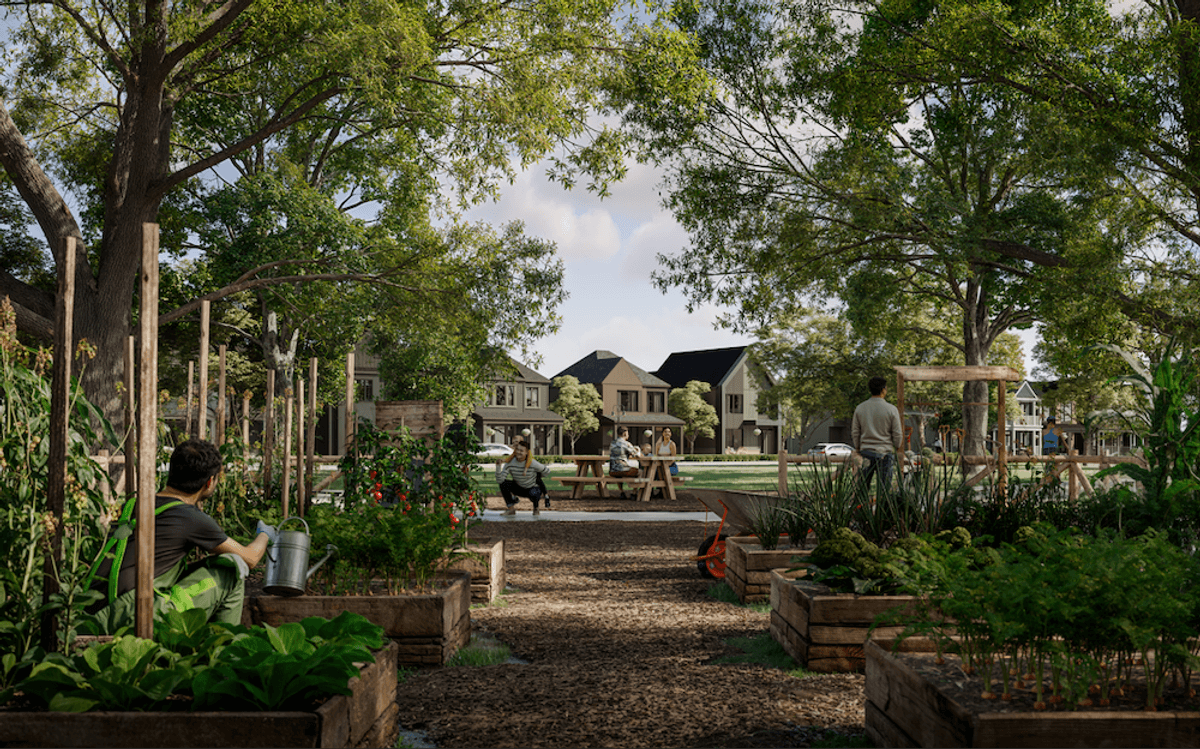
The idea of home ownership has evolved with the times. Maybe it’s not the detached, four-bedroom, house with a backyard and a white picket fence. Whatever the case, the consensus is that a home is more than a place to live. And, while that dream may still be a house for many, they’ll take what they can get.
As both Storey and Kottick observe, the market is currently defined by a "wait and see" attitude. While Storey advises a five-year minimum commitment to weather transaction costs, Kottick points out that many are finally accepting that rates have plateaued. “People are starting to say, ‘Okay, I want to find a way to get into that market,’” says Kottick.
At any “rate,” the Canadian dream isn’t disappearing – it’s adapting. And for a new generation of buyers, getting in may look different, take longer, and require more creativity than ever before.