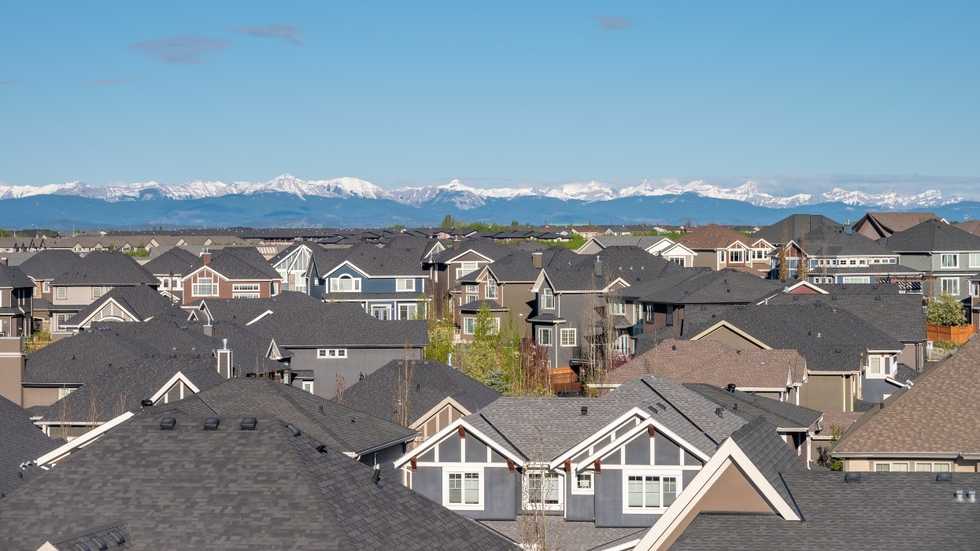
Greater Toronto Area resale housing market conditions tightened in March 2026, with sales climbing year-over-year even as selling prices declined — a dynamic that may be offering some buyers a narrowing window of affordability heading into spring.
GTA REALTORS® reported 5,039 home sales through TRREB's MLS® System last month, a 1.7% increase compared to March 2025. At the same time, new listings fell sharply — down 16.7% year-over-year to 14,442 — meaning more buyers are competing for fewer homes than this time last year.
On a seasonally adjusted basis, both sales and new listings were up month-over-month from February, with sales rising at a slightly faster pace than new listings — a sign that the market is gradually absorbing available supply.
Despite tightening conditions, prices remain under pressure. The MLS® Home Price Index Composite benchmark dropped 7.4% year-over-year in March, while the average selling price came in at $1,017,796 — down 6.7% from March 2025. Month-over-month, prices held relatively flat on a seasonally adjusted basis, with the HPI Composite edging slightly lower and the average price edging slightly higher compared to February.
TRREB President Daniel Steinfeld called the sales uptick encouraging, noting that more GTA households appear to be moving on improved affordability. He also flagged trade and geopolitical uncertainty as factors weighing on consumer confidence — and on the potential for further sales momentum in the months ahead.
TRREB Chief Information Officer Jason Mercer attributed the year-over-year price declines to the negotiating power buyers have held across major market segments. But he cautioned that continued tightening could begin to level off price declines as the year progresses.
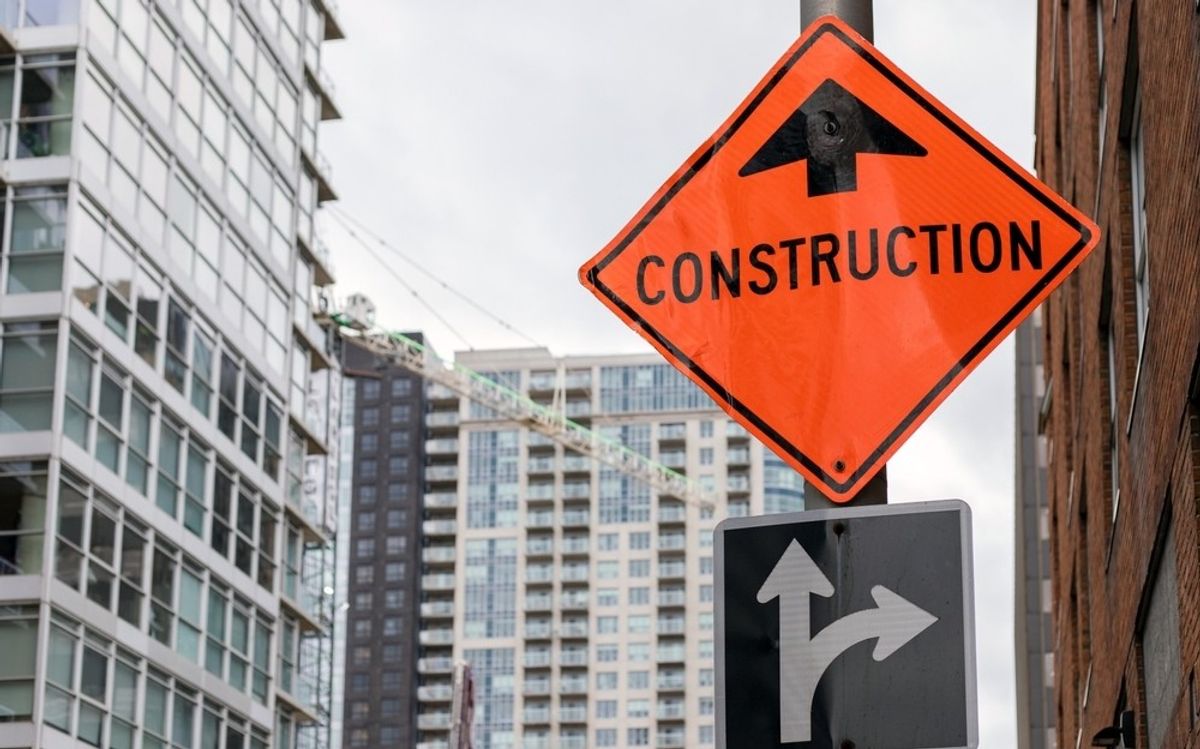
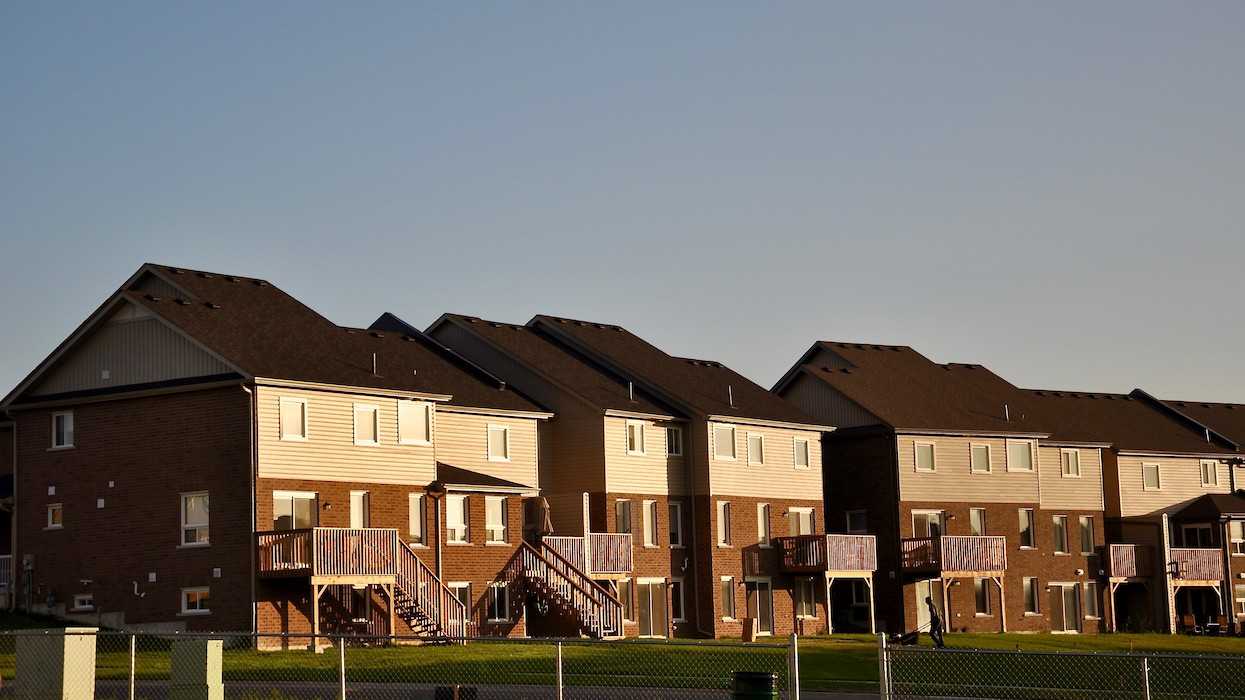
On the supply side, TRREB CEO John DiMichele pointed to longer-term concerns about the GTA's housing pipeline. He welcomed recent federal and provincial announcements on HST and development charge relief as meaningful steps toward spurring new construction, while emphasizing the need for the right housing types — particularly "missing middle" options that bridge the gap between condos and traditional single-family homes. DiMichele pointed to the recently passed Ontario Building Homes and Improving Transportation Infrastructure Act as a sign that the "missing middle" gap is at least on the legislative radar — though whether construction can keep pace with long-term demand remains to be seen.