This article was written and submitted by Cameron Levitt, a Toronto-based real estate agent with RE/MAX Hallmark who writes about housing dynamics, market trends, and offers practical advice for buyers and sellers.
You wouldn't show up to a first date in dirty clothes, or walk into a job interview with your CV scribbled on a napkin. So why would you sell your biggest asset without the same level of care?
Selling requires preparation that costs time, money, and disrupts your daily life. Knowing what to prioritize is the difference between adding value and wasting effort. The best outcome balances maximizing sale price with what actually fits your life.
Buyers Are Telling Themselves a Story
When buyers view a home, they're building a narrative based on what they see. It's our job to shape that story.
A clean, well-maintained space tells buyers this home has been cared for and is ready for them. Clutter, visible damage, or neglected details tell a different story, shifting buyers out of imagination mode and into problem-solving mode.
Preparation removes these friction points so buyers stay focused on picturing themselves living there, rather than mentally cataloging repairs. That emotional connection is what drives offers. The goal is making sure buyers tell themselves the story you want them to hear.
Be Realistic About Your Constraints
Not every seller can do everything, and that's fine. Budget and time are always going to be constraints, so the goal is to allocate limited resources to the highest-impact areas. What makes sense for your specific property condition matters, too. You don't paint a house destined for demolition.
Understanding what will return value matters as much as what you can afford to spend.
The other crucial consideration is how much disruption your life can handle; turning your world upside-down while juggling work and family may not be worth the gain.
The Basics
Some things are non-negotiable, and cleanliness and decluttering are at the top of that list. Decluttering comes first. It makes rooms feel larger and helps buyers visualize themselves living there. When buyers can walk through without subconsciously cataloging what needs to be moved or stored, they remain focused on the space itself.
Practical decluttering steps include:
- Rent a storage locker for a month or two, if possible
- Use this as an opportunity to purge old belongings
- Improve flow by removing furniture that forces someone to walk around it or blocks sightlines to doors and windows
- Create some negative space on countertops and bookshelves — aim for one or two intentional items
- The garage should show that a car can comfortably fit
- Edit personal items like photos and collections, but don't erase your personality
- Keep closets to the current season of clothing — they should show storage space and not be overflowing
Once the home is decluttered, it's easier to clean. A clean home shows the property has been cared for, while noticeable dirt immediately makes people feel uncomfortable. Cleaning is cheap, it's fast, and it sets the baseline for everything else.
Cleaning tips:
- Consider hiring professional cleaners for a deep clean — general or specialized (carpet, window, etc.)
- Focus extra attention toward kitchen and bathrooms — grout, faucets, inside appliances
- Eliminate odours from pets, cooking, and smoke (buyers notice these immediately)
- Front entrance, door, and porch swept and clean
- Baseboards, door frames, door handles and light switches (often overlooked)
These two steps are low cost and have a very high impact. They're the foundation everything else builds on.
Know When DIY Makes Sense
Now that we're moving into trade work, be honest about your skill level. Most people lack the time or ability to execute professional-quality work, and poor execution undermines the impression you're trying to create. Don’t try to do work that requires a licensed professional. Electrical, plumbing, and HVAC work can create liability and insurance issues. Trying to cut corners here can create legal and financial risk that isn't worth the savings.
This applies to design choices, too. Picking paint colours, light fixtures, or finishes requires an eye for what works in the space and what appeals to buyers. What feels modern or tasteful to you might read as dated or too specific to someone else. If you're uncertain about design decisions, get a second opinion from someone with experience in preparing homes for sale.
If you can't do professional-quality work, hire someone who can. The money spent on proper execution pays off in buyer confidence and final sale price.
Paint Delivers the Best ROI
Fresh paint is one of the best investments you can make when preparing a home for sale. It's inexpensive relative to the impact it creates, and it makes a space feel modern, clean, and move-in ready. The painting process should include repairing small damage like nail holes, chips, or dents in the walls. These minor repairs combined with fresh paint signal that the home has been well maintained.
If budget is tight, focus on high-impact areas where buyers spend the most time and form first impressions: the entrance, kitchen, main floor living areas, and master bedroom. These are the spaces where buyers linger and make decisions about whether they can see themselves living there. Less important rooms like basement spaces or back bedrooms can often be skipped if it's not possible to paint everything.
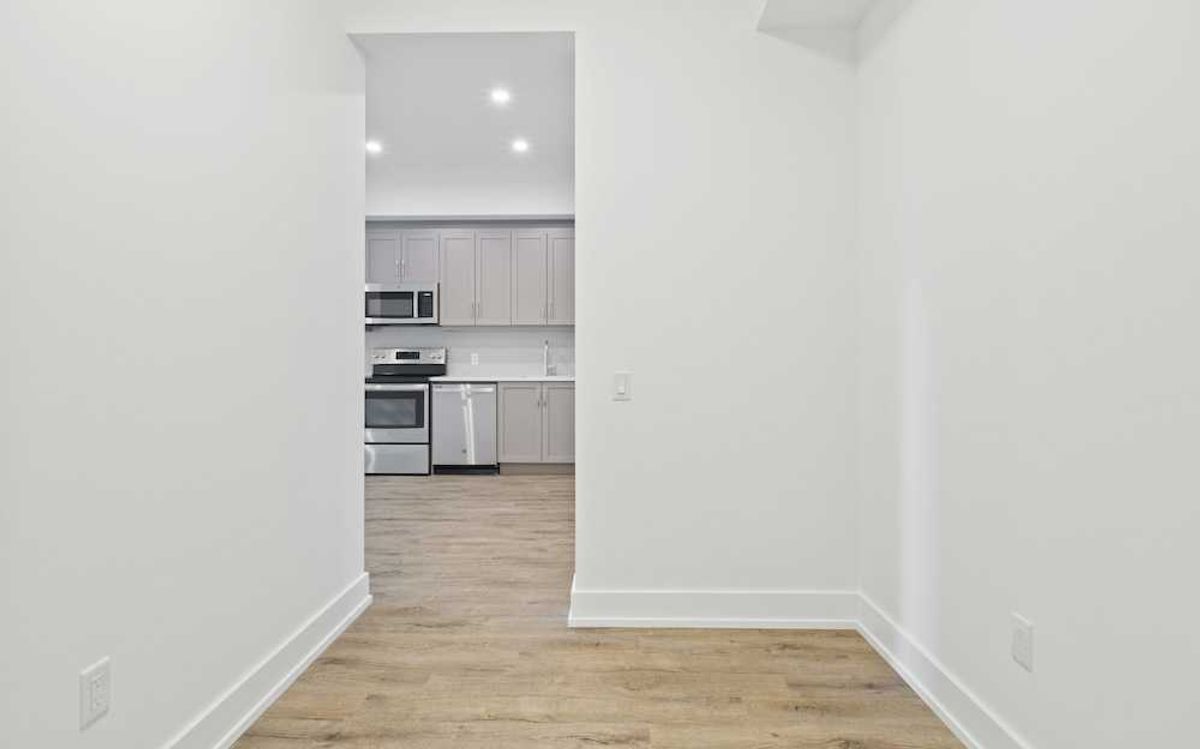
Stick to warm neutral colours that create a clean backdrop. The goal is to let buyers imagine their own style in the space, not compete with bold colour choices. White and off-white tones work well in most homes and appeal to the broadest range of buyers.
Visual Consistency Creates Cohesion
Even when individual spaces look good on their own, mismatched finishes or styles break the flow and create subtle discomfort for buyers. Consistency signals that the home is complete and intentional. Buyers register this intuitively, even if they can't articulate why something feels off.
Light fixtures are one of the highest-impact areas to address. Fixtures from different eras or styles throughout the home create disconnect. A brass chandelier in the dining room, brushed nickel in the kitchen, and oil-rubbed bronze in the bathrooms together tell buyers the updates happened piecemeal, over time. Unifying light fixtures to a consistent finish and style makes the home feel more cohesive.
Hardware throughout the house matters too. Door handles, door hinges, and kitchen cabinet hardware can be changed to create consistency in colour and finish. Having one colour throughout the house reinforces that sense of completeness and care.
If you're doing larger updates like a kitchen or bathroom renovation, make sure the design language fits the rest of the home. An ultra-modern kitchen in a traditional home or dated finishes in an otherwise contemporary space creates disconnect. The goal is for each room to feel like it belongs to the same house.
Repairs: Small Fixes and Major Systems
Remember, buyers are building a story about your home based on what they see. Unresolved repairs change that story from "well-maintained and ready" to "what else is wrong here?" Small repairs have outsized impact because buyers notice them immediately. Loose door handles, squeaky hinges, dripping taps, and sticky drawers are usually easy to fix and show the home has been cared for.
Major systems are different. Items like the roof, HVAC, and plumbing carry significant weight in buyer decisions. Leaving these unaddressed often costs more than fixing them. Buyers will either discount their offer by more than the actual repair cost or dismiss the property entirely. A new roof or furnace removes that uncertainty and prevents buyers from overestimating what needs to be done. If major repairs aren't feasible due to cost or timing, be transparent about the age and condition of major systems. Buyers handle known issues better than surprises discovered during inspection.
Finally, when making repairs, apply the consistency principle. If you're replacing flooring, hardware, or other visible elements, make sure the replacement matches or coordinates with existing materials.
Curb Appeal Sets the Tone Before the Door Opens
Curb appeal applies the same principles we've covered (cleanliness, repairs, paint, and consistency) to the front of your home. Focus on what's visible from the street and the front entrance.
Curb appeal checklist:
- Mow the lawn, edge walkways, and trim hedges
- Weed flower beds and add fresh mulch
- Power-wash walkways, driveway, and decks
- Paint or clean the front door if needed
- Paint or repair fence if visible from the street
- Clear debris, toys, and clutter from the front yard
- Clean gutters
The goal is to make the approach feel welcoming and well-kept. First impressions matter, and the exterior is where that impression begins.
 Jon Sailer
Staging Completes the Picture
Once repairs are done and the home is clean and decluttered, staging finishes the narrative. Good staging flows with the home's architecture and complements its visual language without stripping character.
Let's be honest: good staging is creating a showroom. No one actually lives like that. The furniture is perfectly scaled, there's no clutter, and everything is styled to highlight the home's best features. That's the point. We're creating an idealized version of life in the space that helps buyers imagine the potential. On the other hand, bad staging can undo all the work you've done to this point. Furniture that's too large, mismatched styles, or awkward layouts become distractions rather than assets.
If professional staging isn't in the budget, focus on the basics: furniture should be appropriately scaled, rooms should have clear purpose, styling should be inviting and broadly appealing. The goal is to make the home feel welcoming and complete.
Final Thoughts
Preparing a home for sale involves real costs: time, money, and disruption to your daily life. Understanding these realities should be taken into account at the early stages of considering a move, not after you've already committed. Planning the process at the beginning helps you make an informed decision about what it will actually take to sell your house.