Just a few short months since former Toronto Deputy Mayor Ana Bailão took the helm as CEO of Build Canada Homes (BCH), the newly formed federal agency is moving from "concept to action."
In a progress update released this month, BCH revealed a robust pipeline of thousands of units slated to break ground in 2026.
The agency’s strategy centres on a "Direct Build" model — using federal lands and modern construction methods like modular and factory-built housing to bypass traditional development bottlenecks.
The Direct Build Sites The agency has issued Requests for Qualifications (RFQs) for six flagship sites across the country, representing approximately 4,000 units:
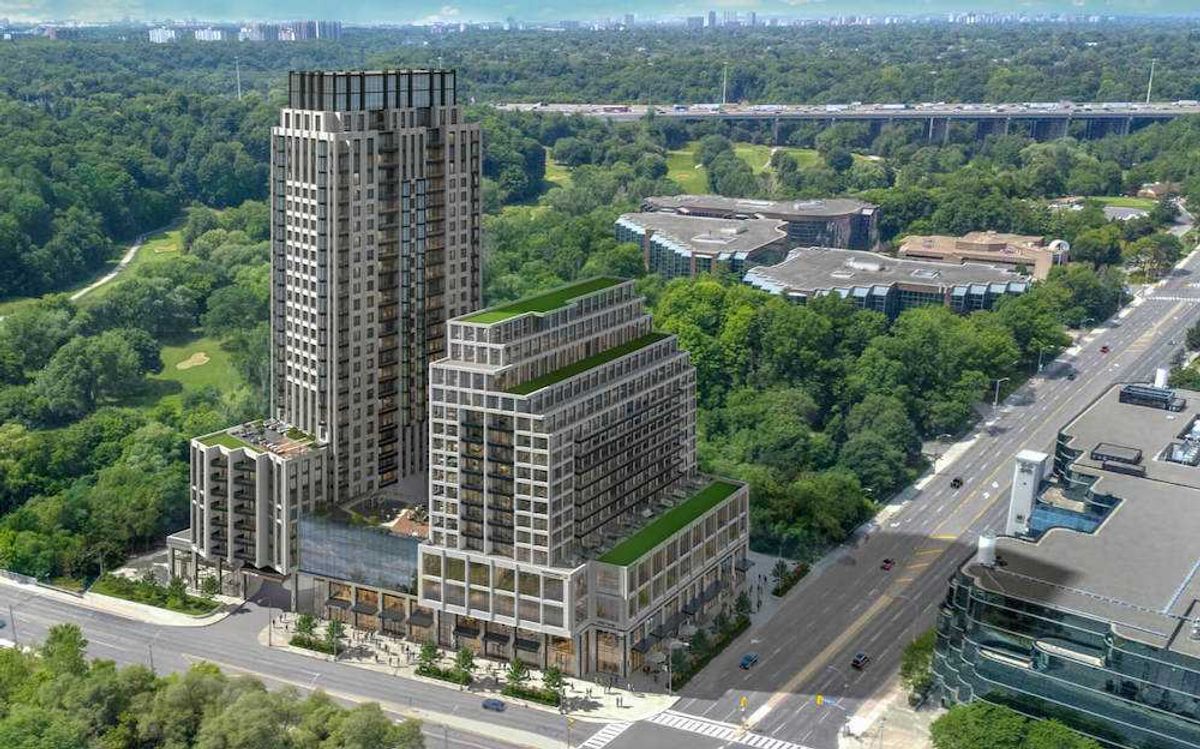
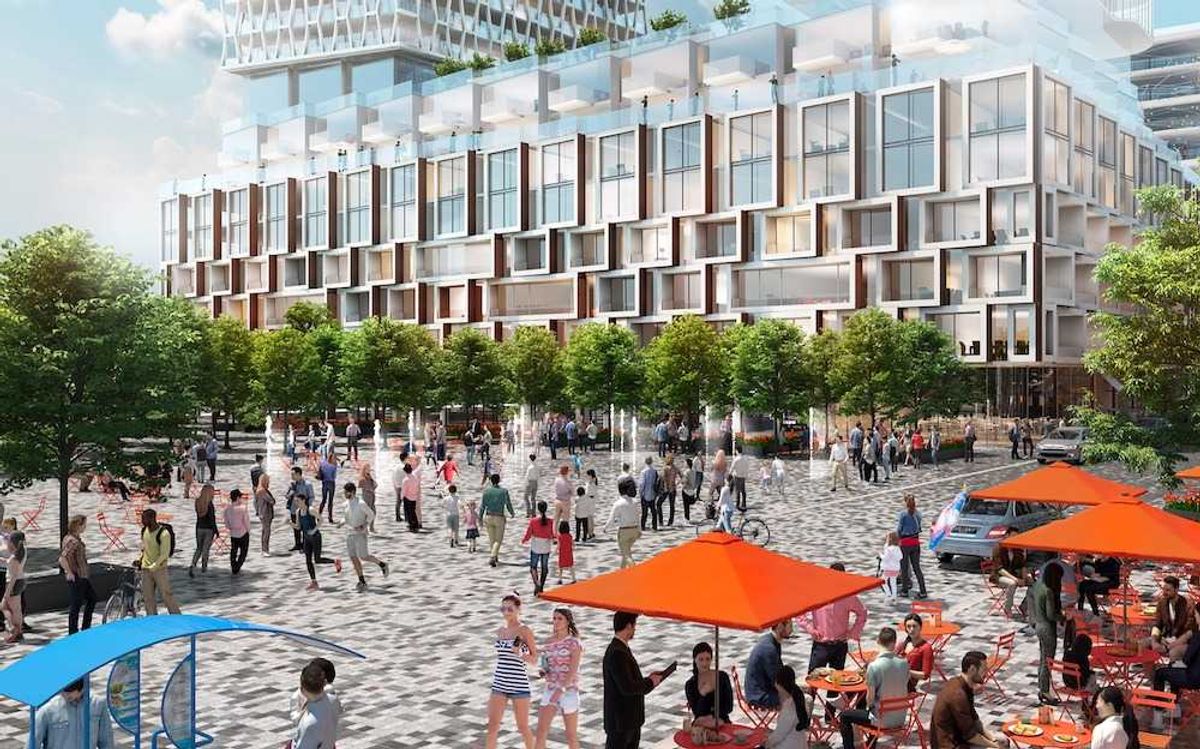
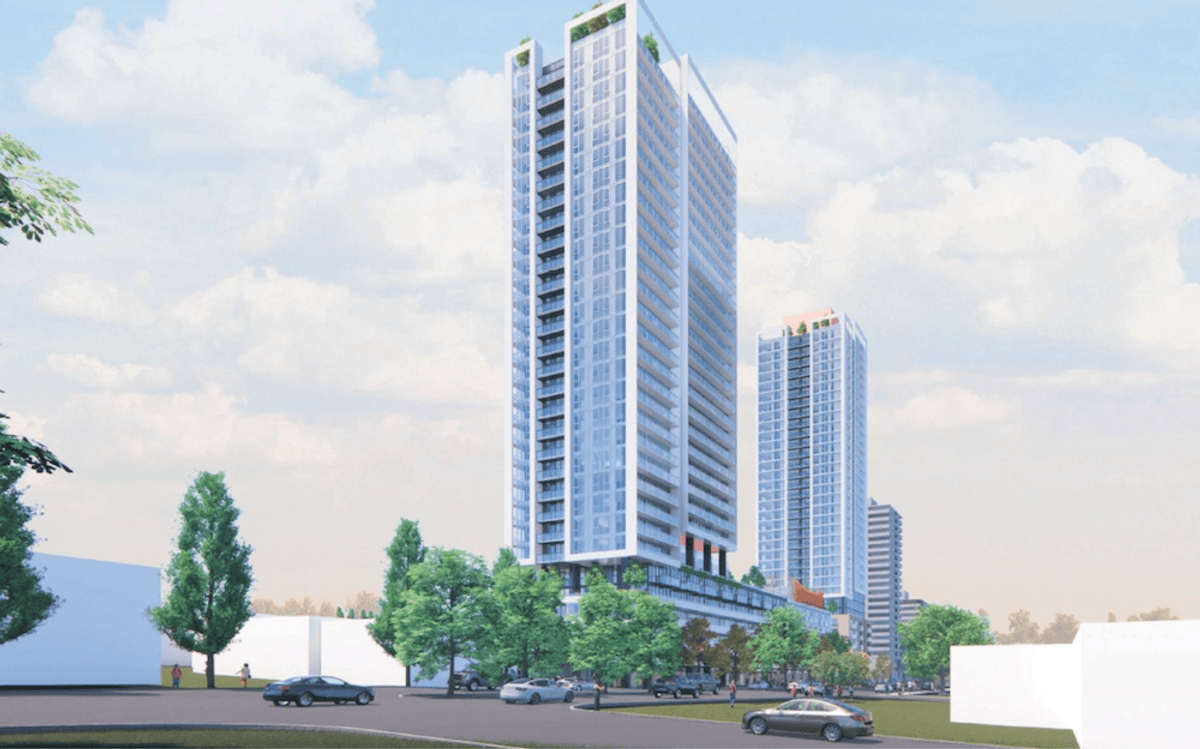
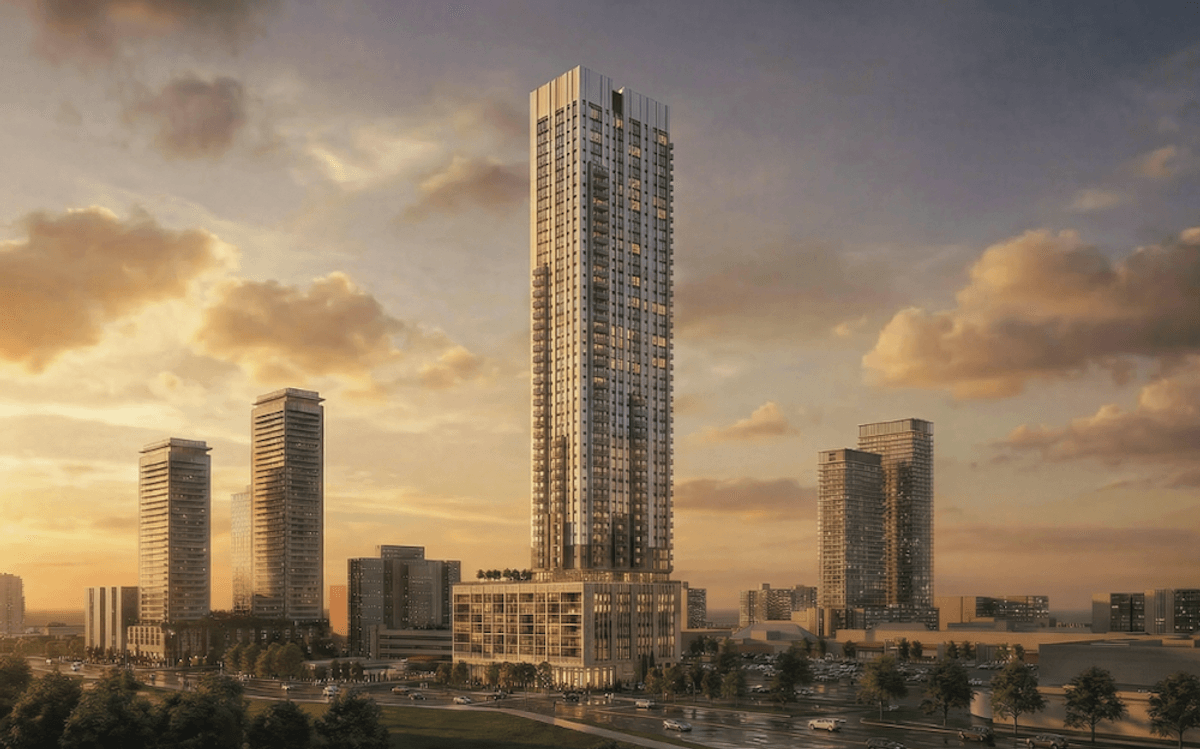
- Arbo (Toronto): 540 new homes at the Downsview site, with a minimum of 40% designated as affordable. This project is part of a larger $283M infrastructure investment expected to eventually catalyze 63,000 homes in the area.
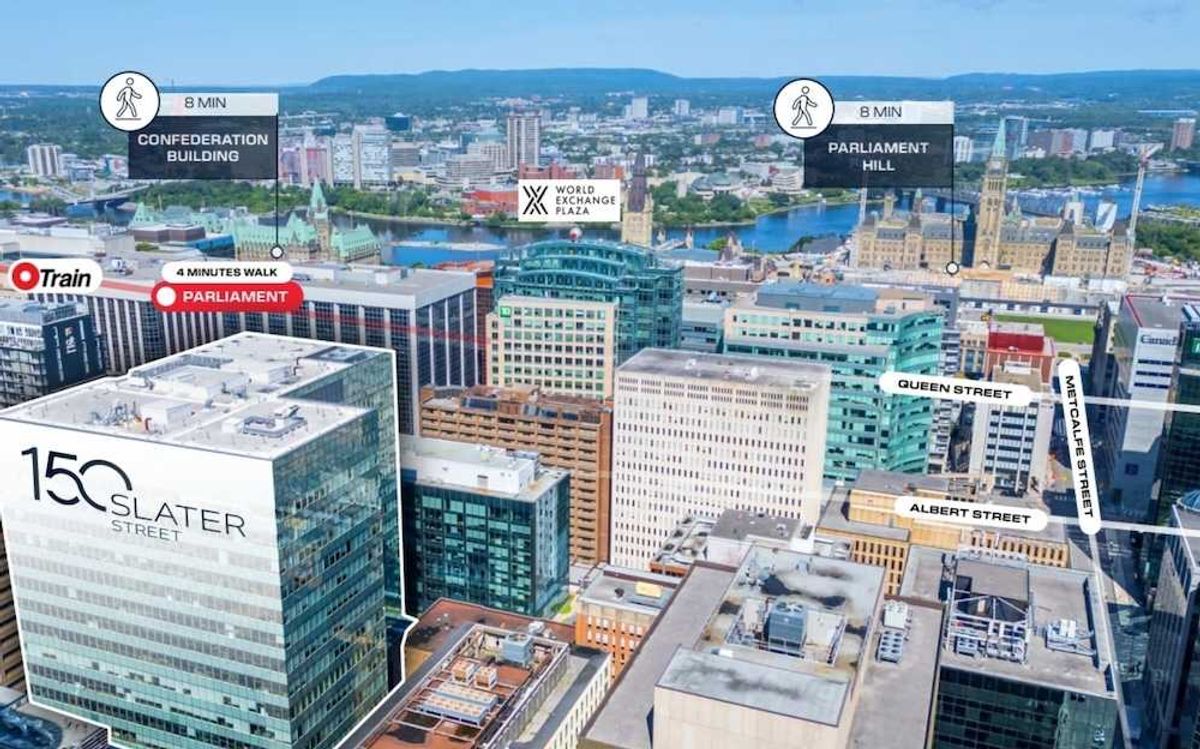
- Heron (Ottawa): An 18-acre site expected to accommodate 1,100 homes.
- Pointe-de-Longueuil (Quebec): 1,055 homes on the St. Lawrence waterfront.
- Shannon Park (Dartmouth): 630 mixed-market units in its first phase.
- Naawi-Oodena (Winnipeg) & Village at Griesbach (Edmonton): Combined 675 units in partnership with Treaty One First Nations and Canada Lands Company.
Beyond its own land, BCH is leveraging federal capital to incentivize municipal cooperation. A new $400M partnership with the City of Ottawa and a $300M agreement in Nova Scotia aim to unlock an additional 4,400 units. In Ottawa, the deal involves the city slashing development charges, permit fees, and property taxes to accelerate construction timelines.
"In just 100 days, we’ve gone from concept to action," Bailão said in a statement. "This is a model for how we want to work across Canada: combining speed, innovation, and collaboration to get shovels in the ground."
For the private sector, the launch of the national submission portal in late November marks a significant shift in how federal housing funds are accessed. BCH reports that proposals have already been received from every province and territory, with "hundreds more in progress."
The agency’s Investment Policy Framework prioritizes "modern methods of construction," signalling a massive federal tailwind for the modular and pre-fab industry. As BCH moves into its 2026 construction phase, the industry will be watching closely to see if this agency-led model can truly circumvent the red tape that has historically stalled "affordable" at scale.