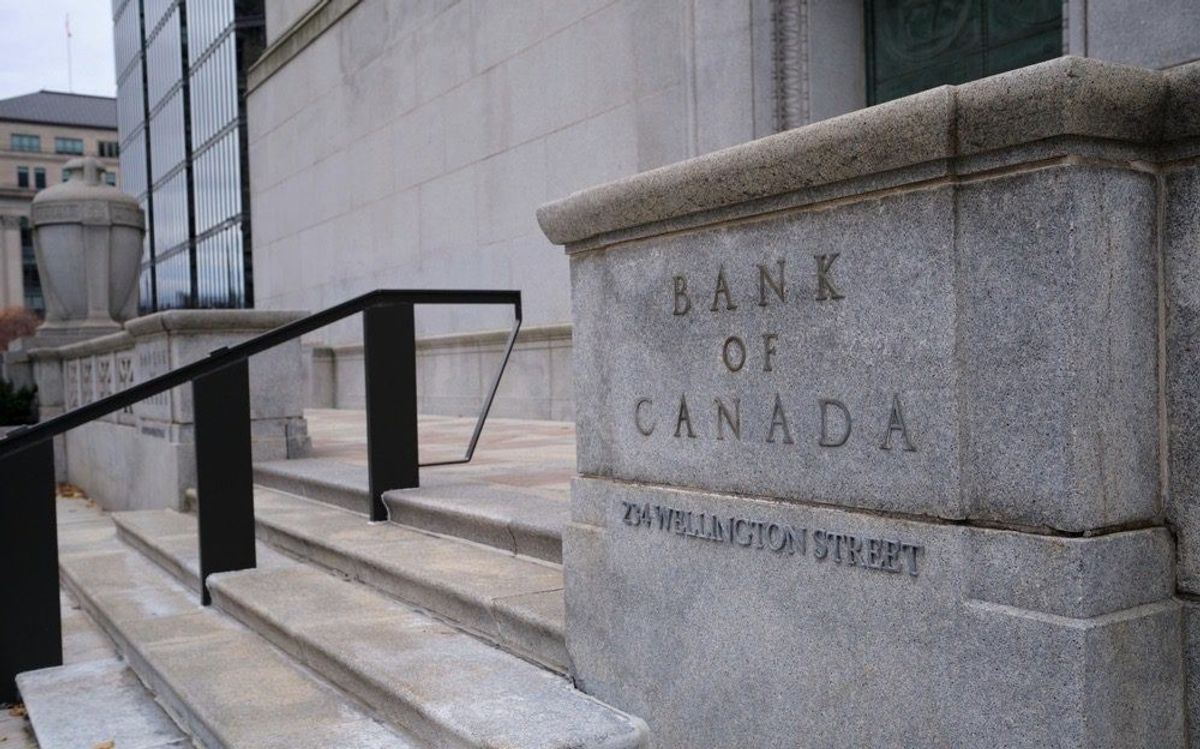
The Bank of Canada left its overnight rate at 2.25% on Wednesday — as many of the nation's banks had predicted — keeping borrowing costs steady as global and domestic developments continue to shape the economic outlook.
Volatility has spiked since the outbreak of conflict in the Middle East, with oil and natural gas prices rising sharply, and financial markets tightening.
The Bank emphasized that the scale and duration of the war, and its effects on the economy, remain highly uncertain.
Before these events, the global economy was on track for roughly 3% growth, with the United States showing solid activity driven by consumption and AI-related investment, Europe supported by domestic demand despite weaker exports, and China’s growth reliant on exports amid soft domestic demand. Since the conflict began, higher energy prices and potential transportation bottlenecks, including through the Strait of Hormuz, have added further pressure on global inflation and supply chains.
In Canada, the economy contracted 0.6% in the fourth quarter of 2025, following 2.4% growth in the previous quarter. The Bank noted that the drop largely reflected an unexpected drawdown in inventories, while domestic demand — supported by consumer and government spending — grew more than 2%. Housing markets, however, remain weak. Labour market gains from late 2025 have largely reversed, with unemployment rising to 6.7% in February, and exports continue to show signs of softness.
Inflation has moderated but remains a focus. CPI slowed to 1.8% in February, with core measures close to 2%. Food inflation eased but stayed elevated, and the recent surge in energy prices is expected to push headline inflation higher in the coming months.
Against this backdrop of uneven growth and rising costs, the Governing Council opted to hold the policy rate at 2.25%. The Bank noted that risks to growth are tilted to the downside, while inflation pressures have increased.
Officials said they will continue to monitor the impact of U.S. trade policy, domestic adjustments, and the evolving conflict abroad, standing ready to act to maintain Canadians’ confidence in price stability.
The next interest rate decision is scheduled for Wednesday, April 29. A full 2026 schedule can be found here.
- Bank Of Canada Holds Interest Rate For First Time In A Year ›
- Where Every Big Bank Stands On Wednesday's Interest Rate Announcement ›
- Majority Of Big Banks Forecasting More Interest Rate Cuts This Year ›
- Where Every Big Bank Stands On July's Interest Rate Announcement ›
- Third Straight Hold: Bank Of Canada Keeps Interest Rate At 2.75% ›